
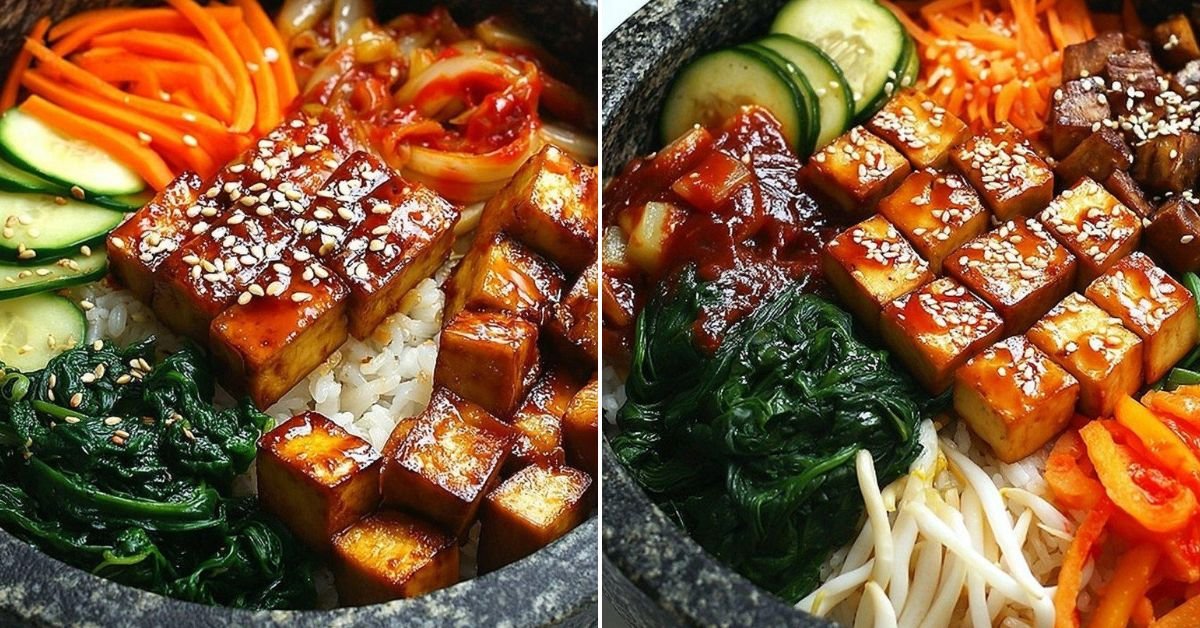
I crave bowls that feel fresh warm and a little cheeky and this korean vegetarian recipes bibimbap recipe vegetarian checks every box for me. We cook rice until it is fluffy and a bit sticky. We sizzle tofu until the edges turn golden. We pile on bright veggies and a spoon of gochujang. One stir and the bowl comes alive and my kitchen smells like toasted sesame and garlic. We eat with a steady rhythm. The spoon scoops rice tofu carrots zucchini mushrooms and spinach. Each bite lands with balance and comfort. It is the kind of meal I make on a weeknight when I want dinner fast yet still feel cared for. This is one of those vegetarian korean recipes that wins over friends who think they miss meat. They do not. They ask for seconds and the pan comes back clean. I learned a lot from asian vegetarian recipes and Vegan Tofu Recipes I tested the sauce until it tasted bold not harsh. I kept the steps simple so it reads like an easy bibimbap recipe you can trust. If you love Vegan Asian Recipes as much as I do you will love this bowl too. We cook we mix we smile.
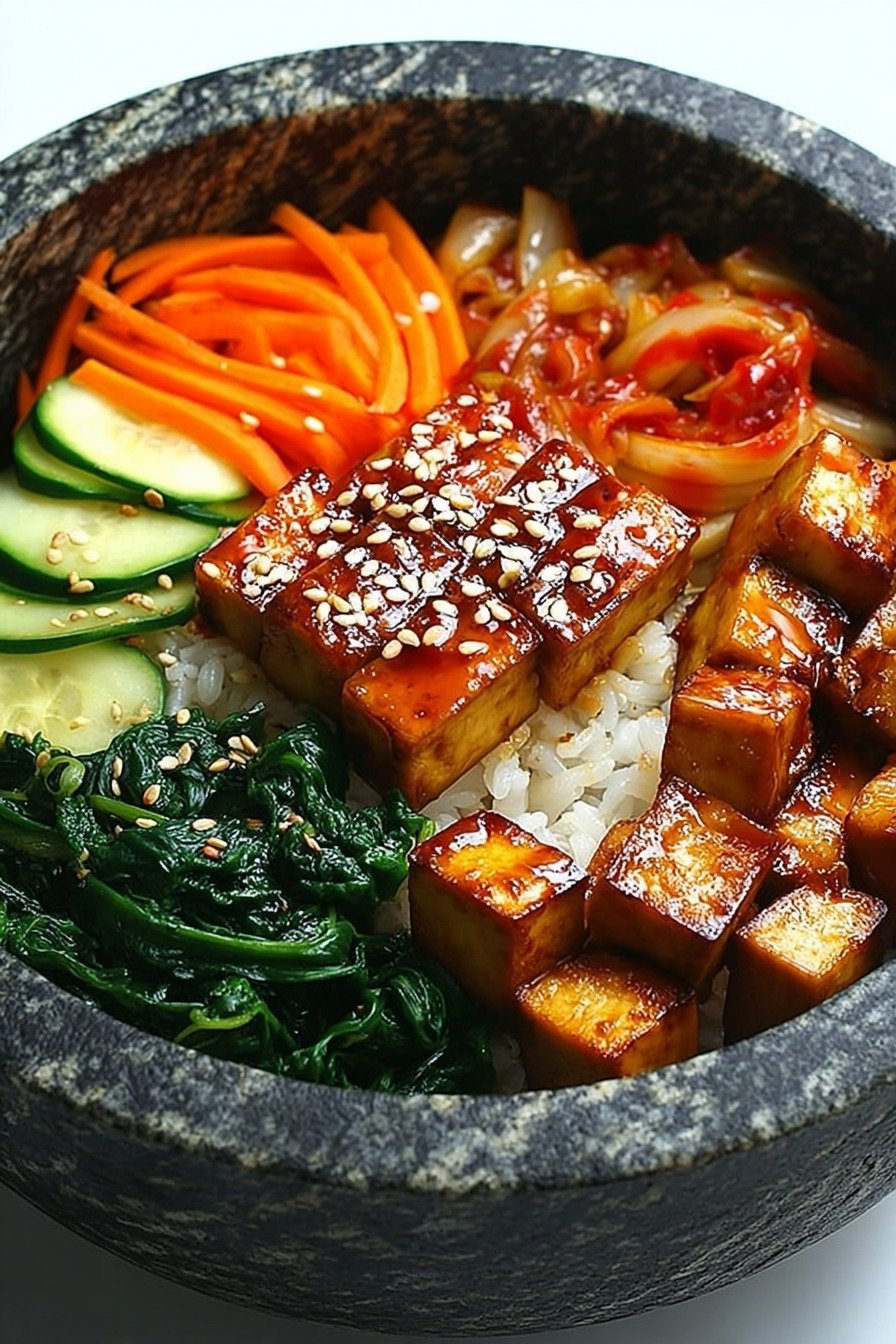
Table of Contents
- 1) Key Takeaways
- 2) Easy Vegan Korean Bibimbap with Tofu and Veggies Recipe
- 3) Ingredients for Vegan Korean Bibimbap with Tofu and Veggies
- 4) How to Make Vegan Korean Bibimbap with Tofu and Veggies
- 5) Tips for Making Vegan Korean Bibimbap with Tofu and Veggies
- 6) Making Vegan Korean Bibimbap with Tofu and Veggies Ahead of Time
- 7) Storing Leftover Vegan Korean Bibimbap with Tofu and Veggies
- 8) Try these Main Course next
- 9) Vegan Korean Bibimbap with Tofu and Veggies
- 10) Nutrition
1) Key Takeaways
We build a cozy bowl that hits sweet heat crunch and calm. Rice sits warm. Tofu turns crisp. Veggies bring color. Sauce wakes the palate. The method stays simple and steady. A weeknight can handle it. A weekend crowd smiles at it.
We cook with pantry items and a short list. Gochujang gives depth. Sesame gives aroma. Soy brings savor. Each bite feels clean yet full. The bowl fits many eaters and it travels well.
Linda shares this on Cook Daily Recipe at https://www.cookdailyrecipes.com and keeps the tone friendly and calm. We lean on korean vegetarian recipes for flavor that feels bright and balanced.
2) Easy Vegan Korean Bibimbap with Tofu and Veggies Recipe
I love bowls that read fast and eat bold. This one lives in my regular plan because korean vegetarian recipes make weeknights feel easy and warm. I reach for korean vegetarian recipes when I want a meal that brings color and crunch without fuss. The bowl comes together with cooked rice crisp tofu quick veggies and a spoon of gochujang that ties it all.
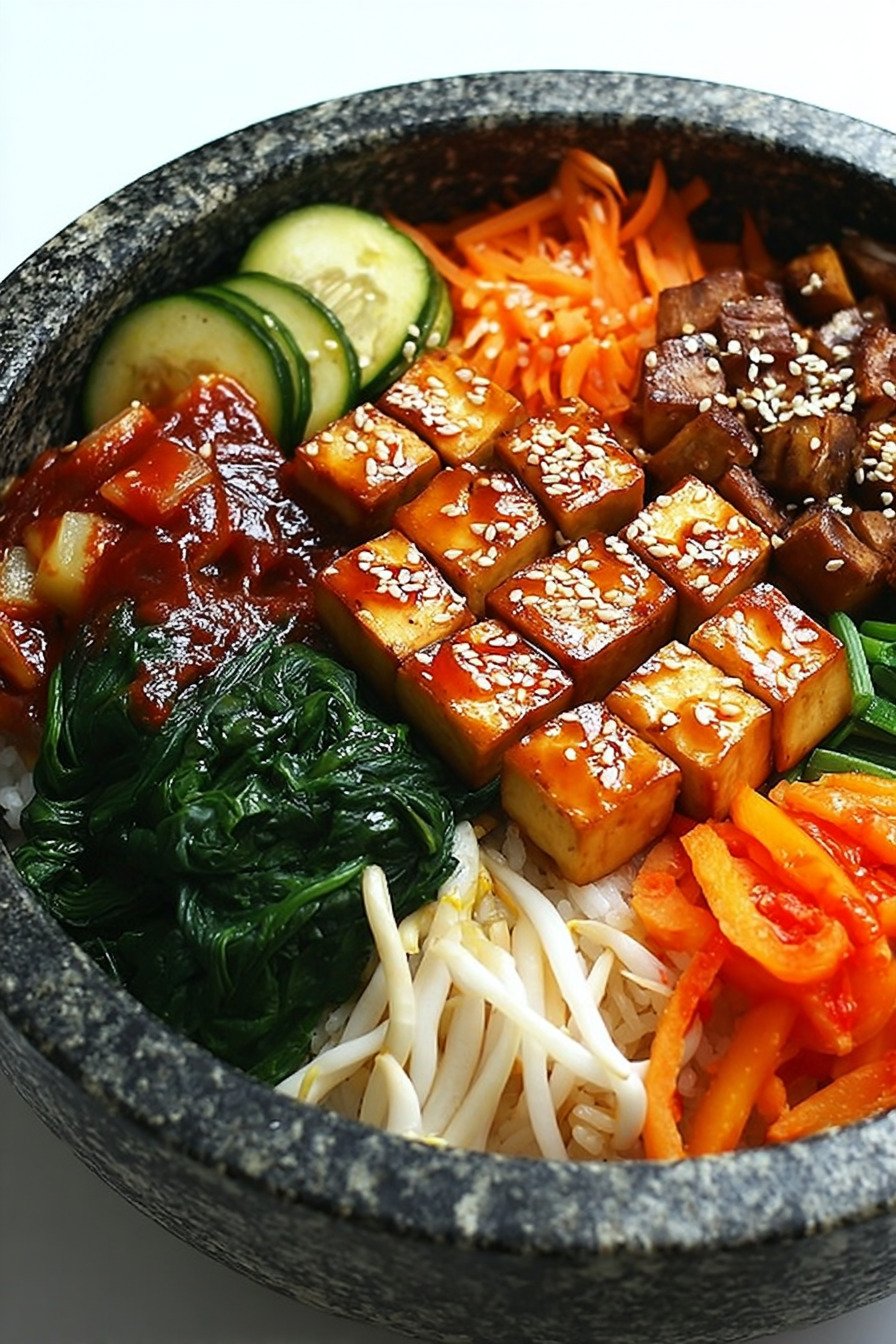
The steps land clean. Press tofu. Slice mushrooms carrots zucchini. Wilt spinach. Stir a small sauce that runs smooth. Set rice in a warm bowl and build a ring of toppings so every bite can mix well.
Linda on Cook Daily Recipe keeps the moves clear and friendly. I test for balance then taste again. When the spoon hits the bowl I get a little grin. That is the sign to call the table.
3) Ingredients for Vegan Korean Bibimbap with Tofu and Veggies
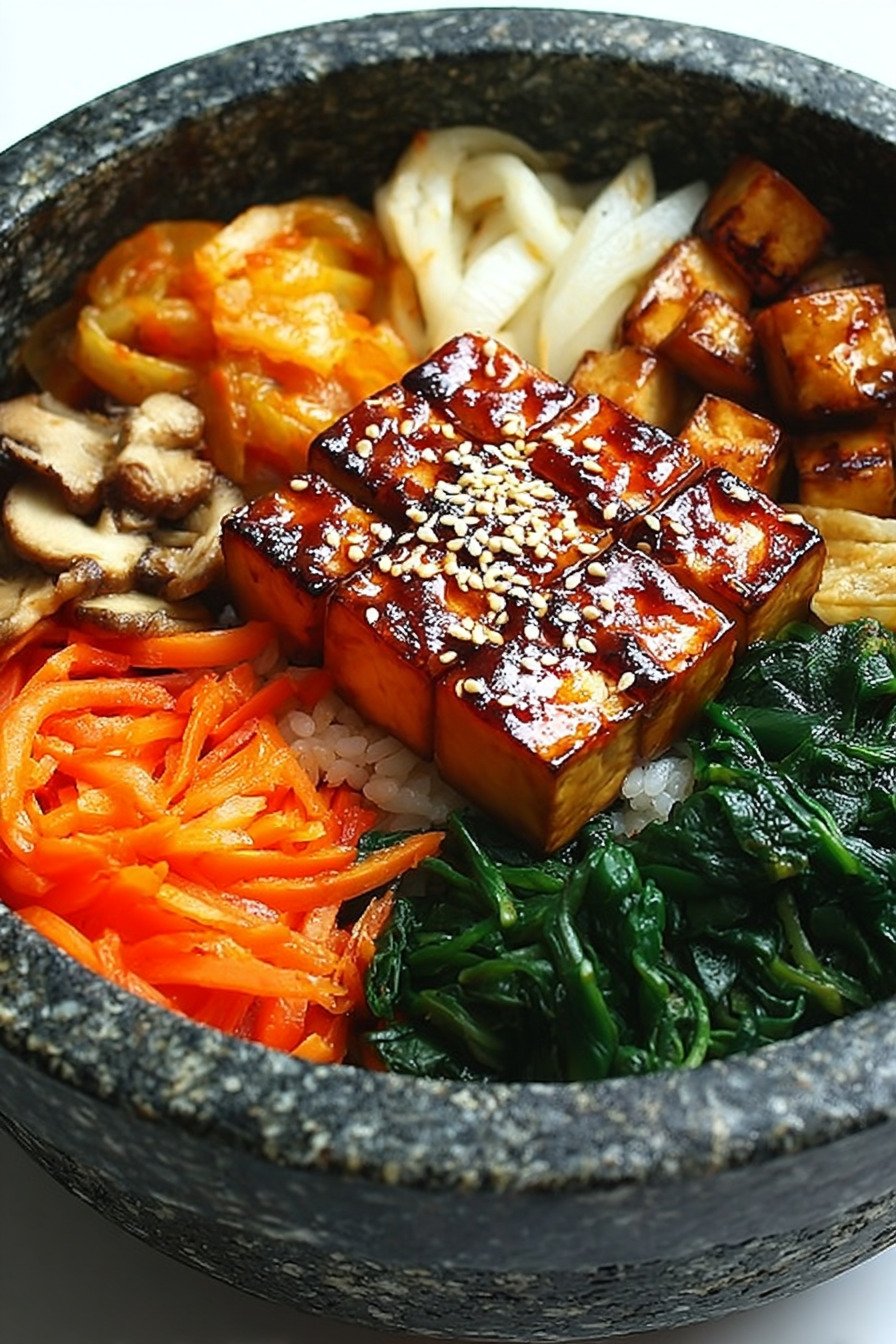
Short grain rice warm and fluffy rice holds the mix and gives soft chew that pairs with crisp tofu.
Firm tofu pressed and cubed tofu turns golden in a pan and brings clean protein and bite.
Carrot thin sticks add sweet crunch that plays well with savory sauce.
Zucchini quick sear gives tender texture that still holds shape in the bowl.
Mushrooms slices brown and bring deep savor that rounds the rice.
Baby spinach a brief wilt gives soft greens that fold into warm rice.
Bean sprouts a light toss keeps snap and fresh lift in each spoonful.
Gochujang a spoon gives heat and body that binds the mix.
Soy sauce a small pour seasons tofu and sauce with clean salt.
Rice vinegar a splash adds bright edge that cuts the rich notes.
Maple syrup a touch softens heat and helps balance the bowl.
Toasted sesame oil a few drops add aroma that feels warm from the first bite.
Garlic one clove minced wakes the pan and the senses.
Sesame seeds a sprinkle brings nutty pop on top.
Green onions thin slices finish with fresh lift.
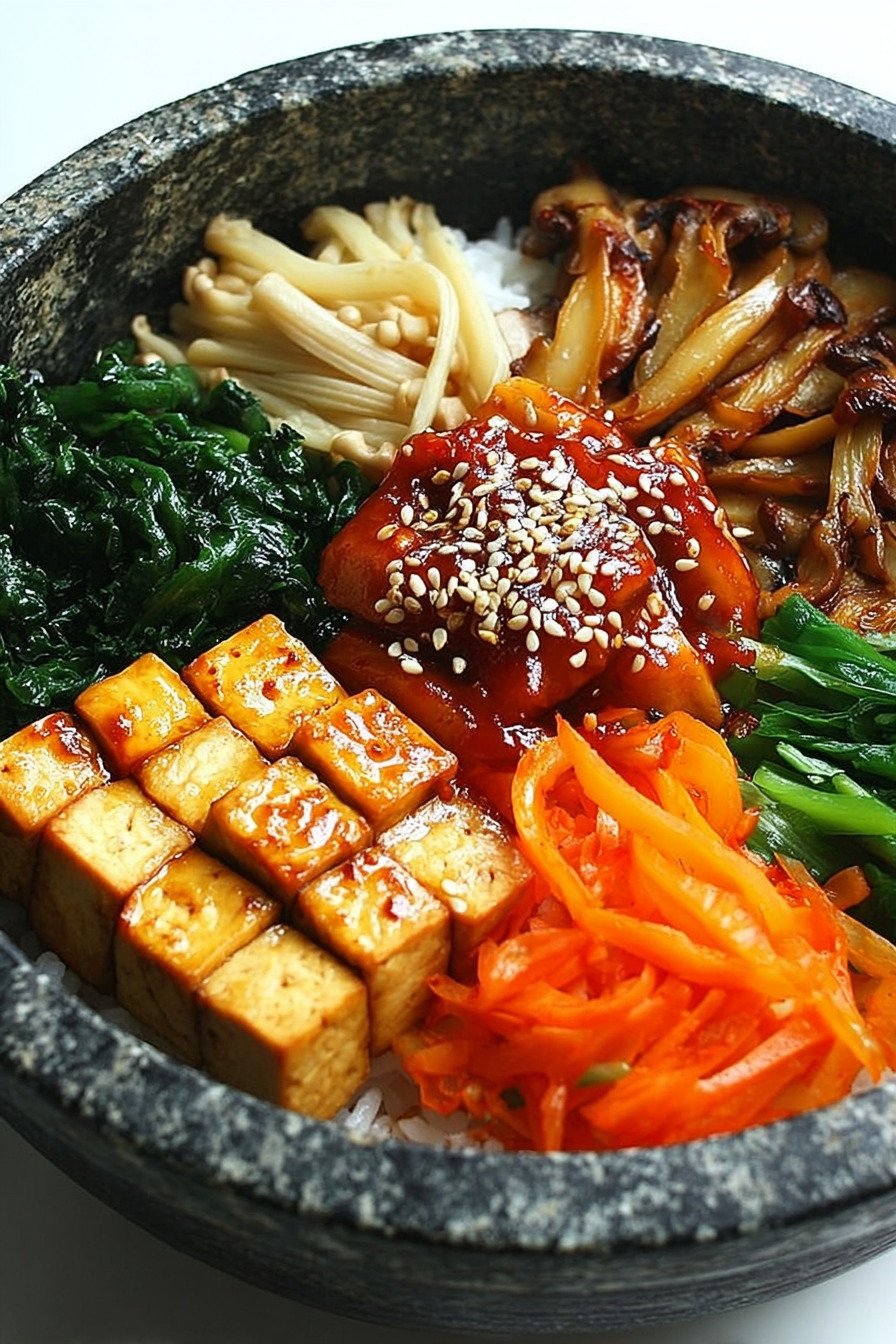
4) How to Make Vegan Korean Bibimbap with Tofu and Veggies
step 1 Press the tofu then cut into small cubes. Pat dry so the edges crisp in the pan.
step 2 Cook rice and keep it warm. Fluffy rice makes the base feel cozy.
step 3 Whisk gochujang soy rice vinegar maple and sesame oil with a splash of water until smooth and thick.
step 4 Toss tofu with a teaspoon of soy and a pinch of cornstarch. Pan sear in a slick of oil until golden on several sides.
step 5 Sear mushrooms until browned then set aside. Sauté carrot and zucchini until just tender. Wilt spinach in the warm pan.
step 6 Warm the bean sprouts in the pan for a brief minute or keep them raw for added crunch.
step 7 Build bowls with rice tofu veggies and sauce. Top with green onions and sesame seeds. Mix at the table and enjoy the easy bibimbap recipe feel.
5) Tips for Making Vegan Korean Bibimbap with Tofu and Veggies
Heat helps the rice stay lively so serve it warm. A warm base lets the sauce coat each grain. This trick keeps the mix glossy and bright.
Use a nonstick pan for tofu so the cubes turn crisp and release clean. If you want more color let each side sit before you move it. Patience pays here.
Season in layers. Salt the veggies with a light hand in the pan. Taste the sauce then tweak to your mood. This is where vegetarian korean recipes shine at home.
6) Making Vegan Korean Bibimbap with Tofu and Veggies Ahead of Time
Cook rice and cool it on a tray then chill. The grains stay separate and reheat well. Pack in portions so reheating feels quick.
Sear tofu and veggies then chill in shallow containers. Keep the sauce in a jar. Shake before you pour so it turns smooth again.
On busy nights I reheat rice and tofu then add fresh sprouts and greens. The bowl keeps snap and warmth. These steps fit korean vegetarian recipes for real life.
7) Storing Leftover Vegan Korean Bibimbap with Tofu and Veggies
Store rice tofu and veggies in separate containers. The textures stay true and the sauce does not thin the rice.
The bowl holds well for three days in the fridge. Reheat rice and tofu until hot. Add raw sprouts and green onions right before you eat.
If the sauce thickens add a spoon of water and shake. The glaze returns and coats the mix again. This is a small trick from many Vegan Asian Recipes lovers.
8) Try these Main Course next
9) Vegan Korean Bibimbap with Tofu and Veggies
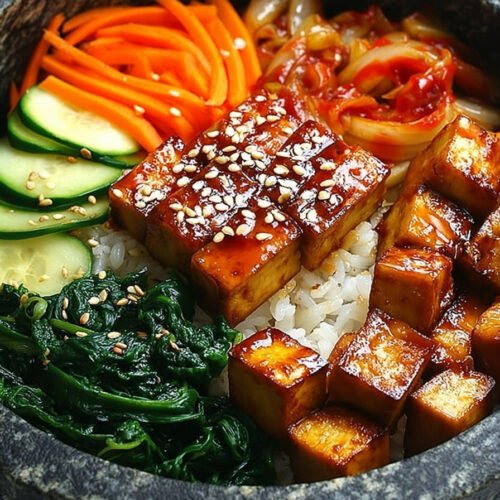
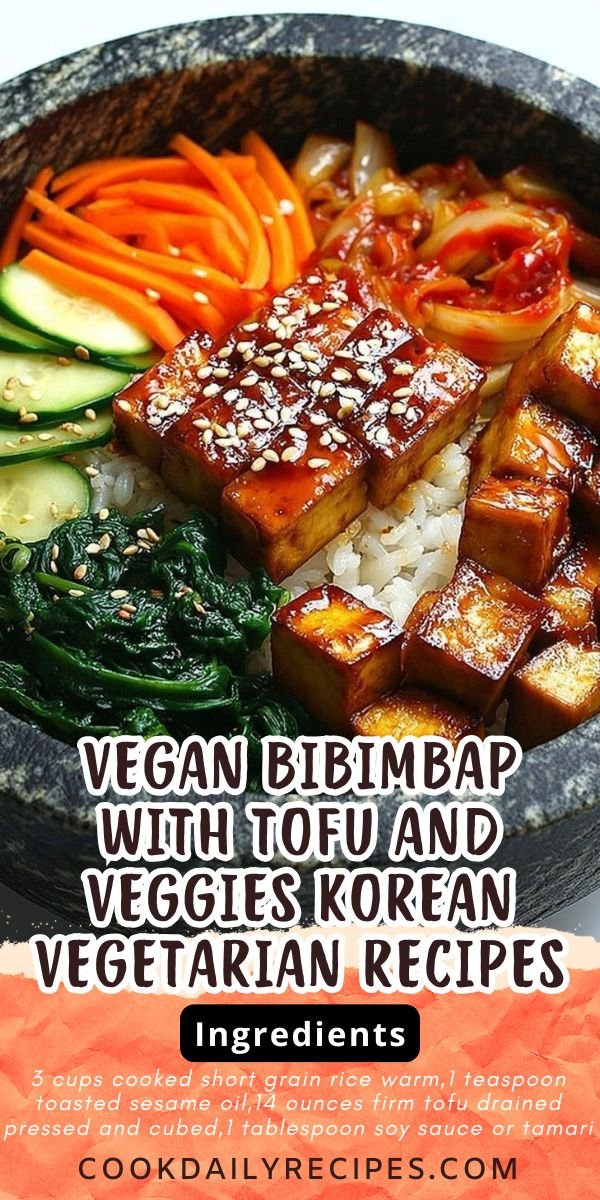
Vegan Bibimbap with Tofu and Veggies korean vegetarian recipes
Ingredients
For the Rice
- 3 cups cooked short grain rice warm
- 1 teaspoon toasted sesame oil
For the Tofu
- 14 ounces firm tofu drained pressed and cubed
- 1 tablespoon soy sauce or tamari
- 1 teaspoon toasted sesame oil
- 1 teaspoon rice vinegar
- 1 teaspoon cornstarch
For the Vegetables
- 1 cup carrot matchsticks
- 1 cup zucchini matchsticks
- 2 cups baby spinach
- 1 cup shiitake or cremini mushrooms sliced
- 1 cup bean sprouts rinsed
- 2 teaspoons neutral oil
- 1 clove garlic minced
- 1 teaspoon sesame seeds
For the Gochujang Sauce
- 2 tablespoons gochujang
- 1 tablespoon soy sauce or tamari
- 1 tablespoon rice vinegar
- 2 teaspoons maple syrup
- 1 teaspoon toasted sesame oil
- Warm water to thin
To Finish
- Sliced green onions
- Extra sesame seeds
- Kimchi optional vegan
Instructions
Prep
- Press tofu for ten to fifteen minutes then cut into bite size cubes.
- Cook rice if needed and keep warm.
Make the Sauce
- Whisk gochujang soy sauce rice vinegar maple syrup and sesame oil with a splash of water until smooth and spoonable.
Cook the Tofu
- Toss tofu with soy sauce rice vinegar sesame oil and cornstarch.
- Heat a nonstick pan over medium heat with a little oil and cook tofu until crisp on several sides then set aside.
Cook the Vegetables
- Return the pan to medium heat add oil and garlic then cook mushrooms until browned and glossy set aside.
- Sauté zucchini and carrot until just tender with a pinch of salt set aside.
- Wilt spinach in the hot pan then toss with a few drops of sesame oil.
- Briefly warm bean sprouts in the pan or keep them raw for crunch.
Assemble
- Swipe a few drops of sesame oil in each warm bowl and add rice.
- Arrange tofu mushrooms zucchini carrots spinach and bean sprouts over the rice.
- Top with sauce green onions and sesame seeds. Add kimchi if using.
- Mix well at the table and eat hot.
10) Nutrition
One bowl brings steady energy and clean fuel. Rice gives carbs that feel gentle. Tofu adds protein that satisfies. Veggies add fiber and color that support balance.
Gochujang and sesame carry strong taste so small amounts go far. Keep salt modest. Adjust heat for your table.
Typical numbers per serving read close to five hundred calories with moderate protein and light fat. If you track closely weigh your portions and log them with your tool of choice.


Leave a Comment