

So here’s the thing: I never thought cauliflower could be this exciting until I tried making it sweet and sour. You know how sometimes you need a quick dinner that won’t leave you stuck in the kitchen forever? This is it. We’re talking crispy on the outside, tender on the inside, and covered in a sauce that’ll have you licking the plate (no judgment here). What I love about this recipe is how it fits into those busy weeknights when you want something special but can’t spend hours cooking. It’s become one of my go-to cauliflower dinner recipes, and honestly, even people who swear they hate veggies end up asking for seconds. The best part? You can whip it up in about 15 minutes, which means more time for Netflix and less time doing dishes. Serve it over some rice and you’ve got yourself a complete meal that feels way fancier than the effort you put in. Trust me on this one. My kids devour it, and yours probably will too. Plus, it’s totally vegan (not that anyone would guess), and your wallet will thank you. Sometimes the simplest cauliflower meals turn out to be the best ones, and this sweet and sour recipe proves exactly that.

Table of Contents
- 1) Key Takeaways
- 2) Easy Sweet and Sour Cauliflower Recipe
- 3) Ingredients for Sweet and Sour Cauliflower
- 4) How to Make Sweet and Sour Cauliflower
- 5) Tips for Making Sweet and Sour Cauliflower
- 6) Making Sweet and Sour Cauliflower Ahead of Time
- 7) Storing Leftover Sweet and Sour Cauliflower
- 8) Try these Main Course next!
- 9) Sweet and Sour Cauliflower
- 10) Nutrition
1) Key Takeaways
- What makes sweet and sour cauliflower crispy?
- Can I bake this recipe instead of frying?
- How do you keep cauliflower from getting soggy?
- What goes well with sweet and sour cauliflower?

2) Easy Sweet and Sour Cauliflower Recipe
Listen, I’ve made a lot of easy vegetarian dinner recipes over the years, and this sweet and sour cauliflower has become one of those dishes I keep coming back to. There’s something about crispy fried cauliflower coated in tangy sauce that just hits different. When I’m staring into my fridge wondering what to make for dinner, this recipe pops into my head every single time.
What I really appreciate about these easy vegetarian dinner recipes is how they don’t demand hours of your time or a culinary degree to pull off. You grab some cauliflower, toss it in cornstarch and seasonings, fry it up until it’s golden and gorgeous, then coat it in that sweet and tangy sauce. Boom. Dinner’s done. My teenagers actually get excited when they see me pulling out cauliflower now, which is saying something if you know teenagers.
The texture is what really gets people hooked. That crispy exterior gives way to tender cauliflower inside, and when you bite into it, the sauce just bursts with flavor. It’s got sweetness from the pineapple juice, tanginess from vinegar, and just enough garlic to make things interesting. I’ve served this at family dinners, brought it to potlucks, and even made it for picky eaters who swore they didn’t like vegetables. They all came back for seconds.
You can serve it alone as the star of your meal, or pile it over a bed of fluffy white rice if you want something more filling. Either way works beautifully. Sometimes I’ll throw some steamed broccoli on the side, or maybe a simple cucumber salad to balance out all that rich flavor. The versatility is part of what makes this one of my favorite cauliflower dinner recipes.
And here’s the best part: leftovers actually taste amazing. I’m talking next day lunch that you’ll actually look forward to eating kind of amazing. Just reheat it gently in a pan or air fryer to get some of that crispiness back. The flavors meld together overnight, making it even better the second time around. Trust me on this one.
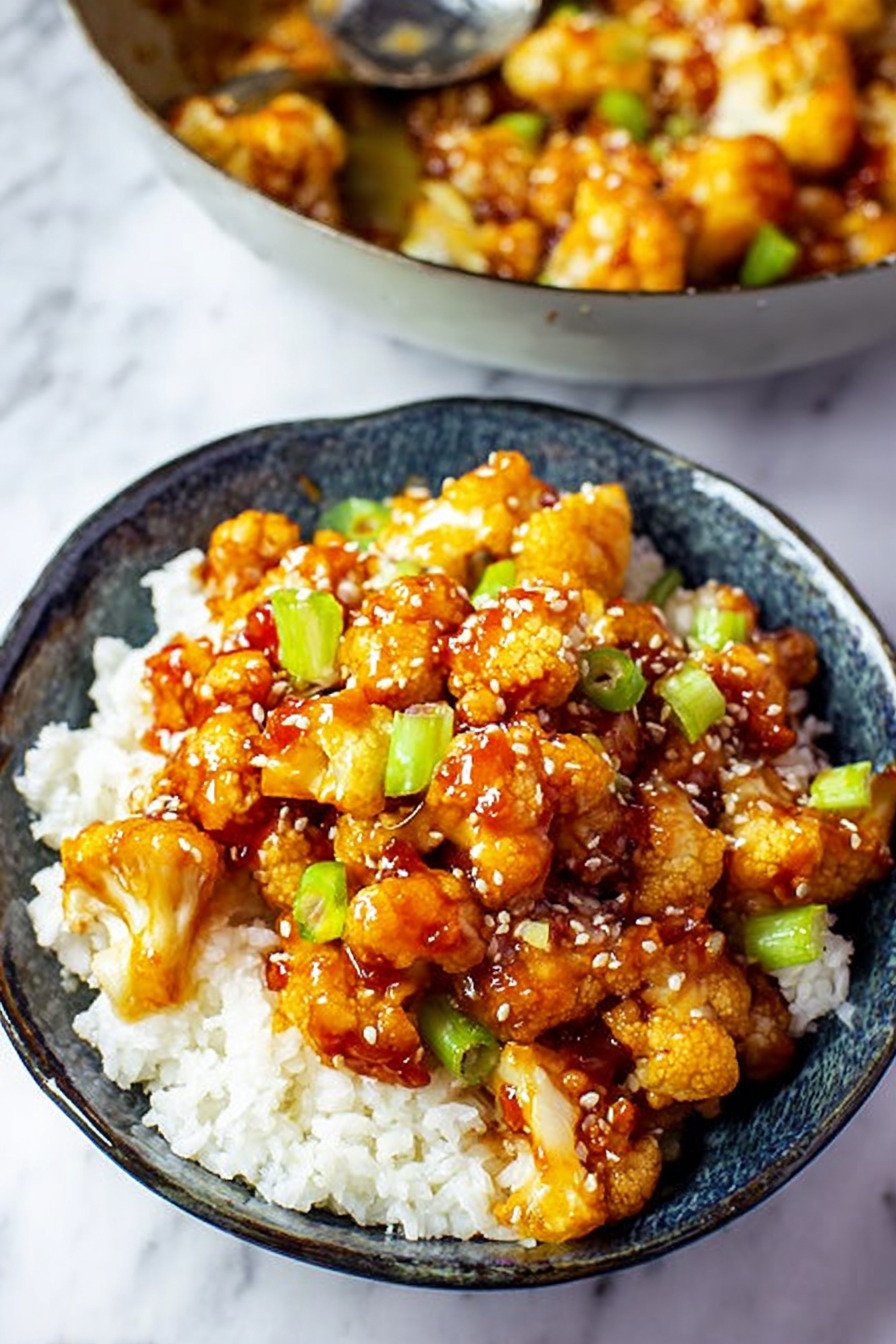
3) Ingredients for Sweet and Sour Cauliflower
Sweet and Sour Sauce: You can totally make your own sauce from scratch if you’re feeling ambitious. I’ve got a homemade version that uses pineapple juice, rice vinegar, ketchup, brown sugar, and a little soy sauce. But real talk? Sometimes I just grab a bottle from the store when I’m short on time. Look for one that’s got good reviews and tastes more tangy than overly sweet. The sauce is what makes this dish sing, so don’t skimp on quality here.
Cauliflower Florets: Fresh cauliflower works best for this recipe. You want those nice medium sized florets that’ll cook evenly and get crispy all over. I usually buy a whole head and cut it up myself, but those pre cut bags from the store work fine too if you’re in a rush. Just make sure the florets aren’t too big or they won’t cook through properly. Aim for bite sized pieces that you can easily pick up with chopsticks or a fork.
Garlic Powder: Yes, we’re using a full two tablespoons of garlic powder, and no, that’s not a typo. This seasoning gets mixed right into the coating, so you need enough to really flavor the cauliflower. Fresh garlic would burn during frying, so powder is the way to go here. It gives you that garlicky flavor without any burnt bits. If you only have granulated garlic, that works too.
Cornstarch: This is your secret weapon for getting that super crispy coating. Cornstarch creates a lighter, crunchier texture than regular flour would. When it hits that hot oil, it forms this amazing crispy shell around each piece of cauliflower. I’ve tried making this with flour before, and it just doesn’t have the same crunch factor. Stick with cornstarch for the best results.
Oil for Coating: You’ll need about a third cup of oil to mix with your cauliflower and cornstarch before frying. This helps everything stick together and creates that coating. I usually use vegetable oil or canola oil for this part. Olive oil works too, but save your expensive extra virgin stuff for drizzling over salads. Any neutral flavored oil will do the job here.
Oil for Frying: You’ll need enough oil to deep fry the cauliflower, which means filling your pot about 2 to 3 inches deep. I know deep frying seems intimidating, but once you get the hang of it, it’s really not that scary. Just make sure your oil is hot enough before adding the cauliflower. You want it around 350 to 375 degrees if you’ve got a thermometer. If not, drop in a small piece of cauliflower. It should sizzle immediately and float to the top.
Salt and Pepper: Season your cauliflower generously before frying. Don’t be shy here. The coating needs that seasoning to really shine. I probably use about a teaspoon of salt and half a teaspoon of pepper, but honestly I just eyeball it at this point. Taste as you go and adjust to your preference. You can always add more later, but you can’t take it away.
Optional Garnishes: A sprinkle of sesame seeds on top adds a nice nutty crunch and makes the dish look fancy. Sliced scallions bring a fresh pop of color and a mild onion flavor that complements the sweet and sour sauce beautifully. These garnishes aren’t required, but they do take the presentation up a notch if you’re serving this to guests.

4) How to Make Sweet and Sour Cauliflower
Step 1: Get yourself a large freezer bag or mixing bowl. Toss in those cauliflower florets along with the oil, cornstarch, and garlic powder. Don’t forget to season everything with salt and pepper. If you’re using a bag, seal it up and shake it like you’re making a margarita. If you’re using a bowl, just mix everything together with your hands or a big spoon until every piece of cauliflower is coated. You want that coating to be even so every bite is equally delicious.
Step 2: Time to heat up your frying oil. Pour enough oil into a deep saucepan or pot so it’s about 2 to 3 inches deep. Turn the heat to medium high and let it get really hot. You can test if it’s ready by dropping in a tiny piece of the coated cauliflower. If it sizzles immediately and starts floating, you’re good to go. If it just sits there, wait another minute or two.
Step 3: Carefully add your coated cauliflower florets to the hot oil. Don’t overcrowd the pan or the temperature will drop and your cauliflower will get greasy instead of crispy. Work in batches if you need to. Let them fry for about 4 minutes, flipping them occasionally so they brown evenly on all sides. You’re looking for that gorgeous golden brown color that tells you they’re perfectly crispy.
Step 4: When your cauliflower pieces are golden and crispy, use a slotted spoon or spider strainer to pull them out of the oil. Let them drain on paper towels or a wire rack set over a baking sheet. This step is super important for getting rid of excess oil. Nobody wants greasy cauliflower. Let them sit for a minute or two to drain properly.
Step 5: Transfer your drained cauliflower to a large frying pan. Pour that sweet and sour sauce all over the top. Use a spatula or wooden spoon to gently toss everything together, making sure each piece gets coated in sauce. Be gentle here so you don’t break up the crispy coating you worked so hard to create. Turn the heat to medium and let everything warm through for about a minute.
Step 6: That’s it. You’re done. Pile that beautiful sweet and sour cauliflower onto a serving plate. If you want to get fancy, sprinkle some sesame seeds and sliced scallions on top. Serve it immediately over rice or just eat it straight from the pan. I won’t judge. The crispy coating is at its best when the dish is fresh and hot, so dig in right away.
5) Tips for Making Sweet and Sour Cauliflower
Get your oil temperature right, and you’ll avoid so many problems. Too cold and your cauliflower will absorb oil like a sponge, turning greasy and sad. Too hot and the outside will burn before the inside cooks through. If you’ve got a thermometer, aim for 350 to 375 degrees. If you don’t have one, use the cauliflower test I mentioned earlier. Drop in a small piece and watch how it behaves. Quick sizzle and float means you’re ready to fry.
Don’t skip the draining step after frying. I know you’re hungry and want to eat right away, but letting that cauliflower sit on paper towels for a couple minutes makes a huge difference. It pulls off excess oil and keeps your coating crispy instead of soggy. I’ve made the mistake of skipping this step before, and the texture just wasn’t the same. Those two minutes of patience are totally worth it.
Work in batches when you’re frying. I get it, you want to cook everything at once and be done with it. But cramming too much cauliflower into the pot at once drops the oil temperature fast. Then everything steams instead of fries, and you end up with limp, greasy vegetables instead of crispy golden ones. Take your time, fry in small batches, and let the oil come back to temperature between batches. Your patience will be rewarded.
If you’re making the baked version instead of frying, crank that oven up to 420 degrees and really spread out your cauliflower on the baking sheet. Crowding leads to steaming, which makes everything soggy. Give each piece some breathing room. Flip them halfway through baking to get crispy spots on both sides. The texture won’t be quite the same as frying, but it’s still tasty and way less messy to clean up afterwards.
Mix your sauce with the cauliflower right before serving, not earlier. If you coat it too soon, the sauce will make that crispy coating soggy. I learned this the hard way when I tried to prep everything an hour before guests arrived. By the time we ate, the cauliflower had turned into a mushy mess. Now I fry the cauliflower, keep it warm in a low oven, and toss it with sauce at the last possible minute.
6) Making Sweet and Sour Cauliflower Ahead of Time
You can definitely prep parts of this recipe ahead of time to make dinner easier. Cut your cauliflower into florets the night before and store them in an airtight container in the fridge. They’ll keep just fine for a day or two. You can even mix up your cornstarch coating in a bowl and have it ready to go. Just add the cauliflower when you’re ready to cook. Having these components prepped makes the actual cooking process fly by.
The sweet and sour sauce can be made up to a week in advance. Just store it in a jar in your fridge and give it a good shake before using. This is one of those cauliflower meals that benefits from having the sauce ready to go. You can pull it straight from the fridge and warm it up in the pan with your fried cauliflower. Some people even freeze extra sauce in ice cube trays for future use.
If you want to fry the cauliflower ahead of time, you can do that too, but I’ll be honest with you. It’s better fresh. That said, I’ve fried it earlier in the day and reheated it in a 400 degree oven for about 5 to 7 minutes before tossing with sauce. It won’t be quite as crispy as freshly fried, but it’s still pretty darn good. Just keep the fried cauliflower and sauce separate until right before serving.
For meal prep purposes, these vegetarian dinner recipes work best when you store the components separately. Keep your fried cauliflower in one container and your sauce in another. When you’re ready to eat, reheat the cauliflower in an air fryer or oven to crisp it back up, then toss with warmed sauce. This method keeps everything tasting fresh instead of soggy. You’ll be glad you took the extra step to keep things separate.
7) Storing Leftover Sweet and Sour Cauliflower
Leftovers will keep in an airtight container in your fridge for about 3 to 4 days. The coating won’t stay as crispy as it was fresh, but the flavor is still delicious. I actually think the cauliflower absorbs more of that sweet and sour sauce flavor after sitting overnight, which makes it taste even better in some ways. Just be aware that the texture will be softer than when you first made it.
When you reheat leftovers, skip the microwave if you can. Microwaving turns the coating into a rubbery mess. Instead, spread your leftover cauliflower on a baking sheet and pop it in a 400 degree oven for 5 to 10 minutes. You can get some of that crispiness back this way. An air fryer works even better if you’ve got one. Just a few minutes at 375 degrees and it tastes almost as good as fresh.
Don’t bother trying to freeze this dish. I tried it once thinking I could make a big batch for future easy dinners. The cauliflower turned mushy and weird when I thawed and reheated it. The coating completely fell apart. Some asian dinner recipes freeze well, but this isn’t one of them. Just make what you’ll eat within a few days and save yourself the disappointment of freezer burn and texture issues.
If you’ve got leftover sauce but no leftover cauliflower, save that sauce. It’s fantastic on all sorts of things. Toss it with chicken, drizzle it over roasted vegetables, or use it as a dipping sauce for spring rolls. That sweet and tangy flavor works with so many different foods. I keep extra sauce in a jar in my fridge and find myself reaching for it all the time. It’s become one of my secret weapons for turning boring meals into something special.
8) Try these Main Course next!
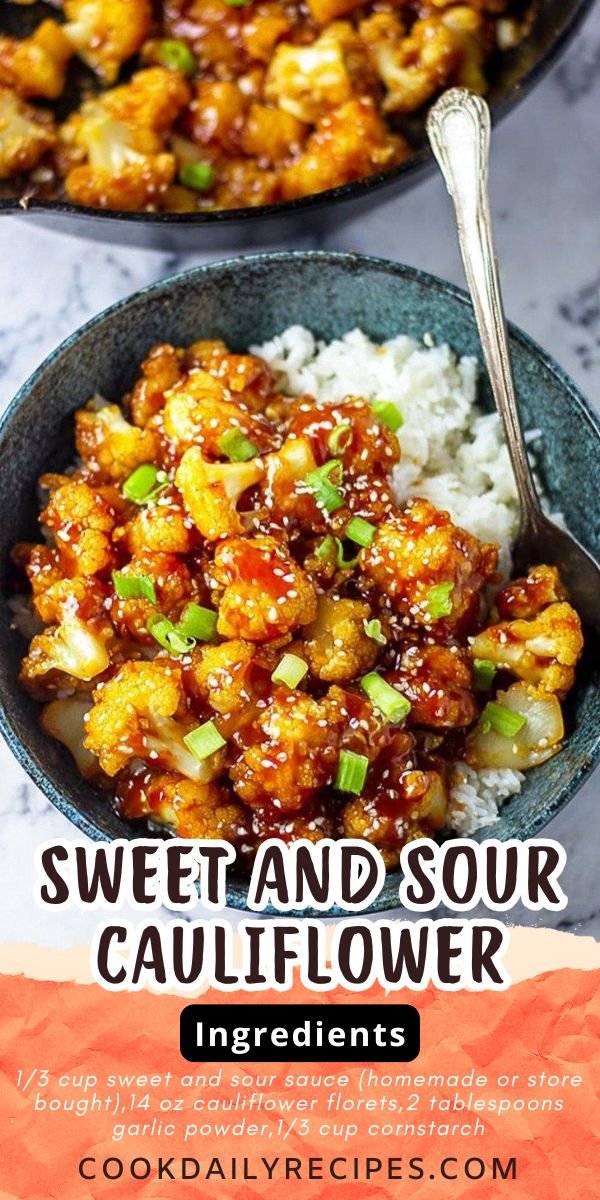
9) Sweet and Sour Cauliflower

Easy Vegetarian Dinner Recipes: Sweet and Sour Cauliflower
Ingredients
- 1/3 cup sweet and sour sauce (homemade or store bought)
- 14 oz cauliflower florets
- 2 tablespoons garlic powder
- 1/3 cup cornstarch
- 1/3 cup oil
- Oil for frying
- Salt and pepper to taste
- Sesame seeds for garnish (optional)
- Scallions for garnish (optional)
Instructions
- Grab a large Ziploc bag or bowl and toss in your cauliflower florets, oil, cornstarch, and garlic powder. Don’t forget to season with salt and pepper. If you’re using a bag, just give it a good shake until everything’s coated. If you’re using a bowl, mix it up with your hands or a spoon.
- Heat your frying oil in a saucepan until it’s nice and hot (like really hot, we want that crispy texture). Carefully add your coated cauliflower florets and let them deep fry for about 4 minutes. You’re looking for that beautiful golden brown color.
- Once they’re perfectly crispy, pull them out of the oil and let them drain on paper towels or a wire rack. Nobody wants soggy cauliflower, right?
- Transfer your fried cauliflower to a frying pan and pour that sweet and sour sauce all over it. Mix everything together gently so you don’t break up the florets. Cook on medium heat for about 1 minute just to warm the sauce through.
- Serve immediately on its own or pile it over some fluffy rice. Sprinkle with sesame seeds and sliced scallions if you’re feeling fancy. Leftovers taste great too, just reheat gently.
10) Nutrition
Serving Size: 1.5 cups | Calories: 395 | Sugar: 22.3 g | Sodium: 534 mg | Fat: 7.8 g | Saturated Fat: 3.5 g | Carbohydrates: 75.3 g | Fiber: 11.1 g | Protein: 16.2 g | Cholesterol: 0 mg






Leave a Comment