
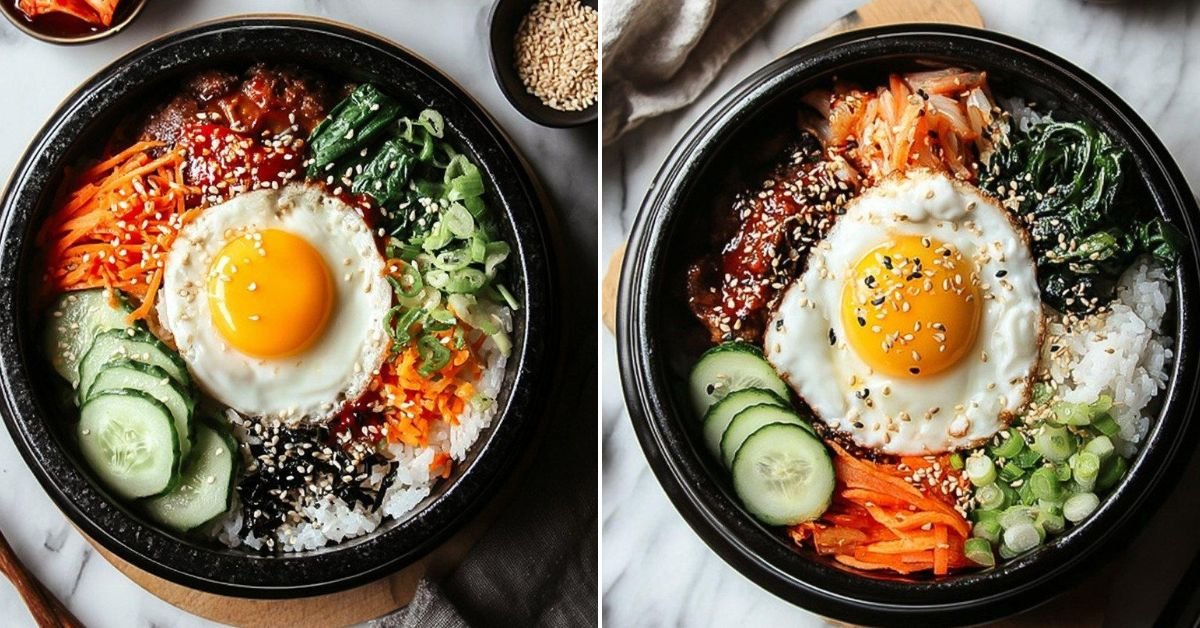
Bibimbap is one of those dishes that always feels like comfort food dressed up for a party. I still remember the first time I tried it—my bowl looked like a rainbow exploded in the kitchen, but in the best possible way. Every bite had that mix of warm rice, crunchy vegetables, a fried egg, and that glorious kick from the bibimbap recipe sauce. What I love most about this easy bibimbap recipe is how flexible it is. We all have those evenings when the fridge looks half-empty, yet somehow, bibimbap saves the day. A little leftover rice, some veggies, maybe even bits of chicken from last night’s dinner—suddenly you’ve got something that looks like it took hours. It’s one of my favorite recipe meal prep tricks because it never feels boring. If you’ve been hunting for recipes meal prep that make you feel both nourished and proud of your plate, this is it. I sometimes double the ingredients and stash them in containers for the week, turning this into one of my go-to meal prep chicken recipes. Honestly, it’s part art, part survival, and every time I scoop up a spoonful, I feel like I’ve got my life together—even if my sink is still full of dishes.
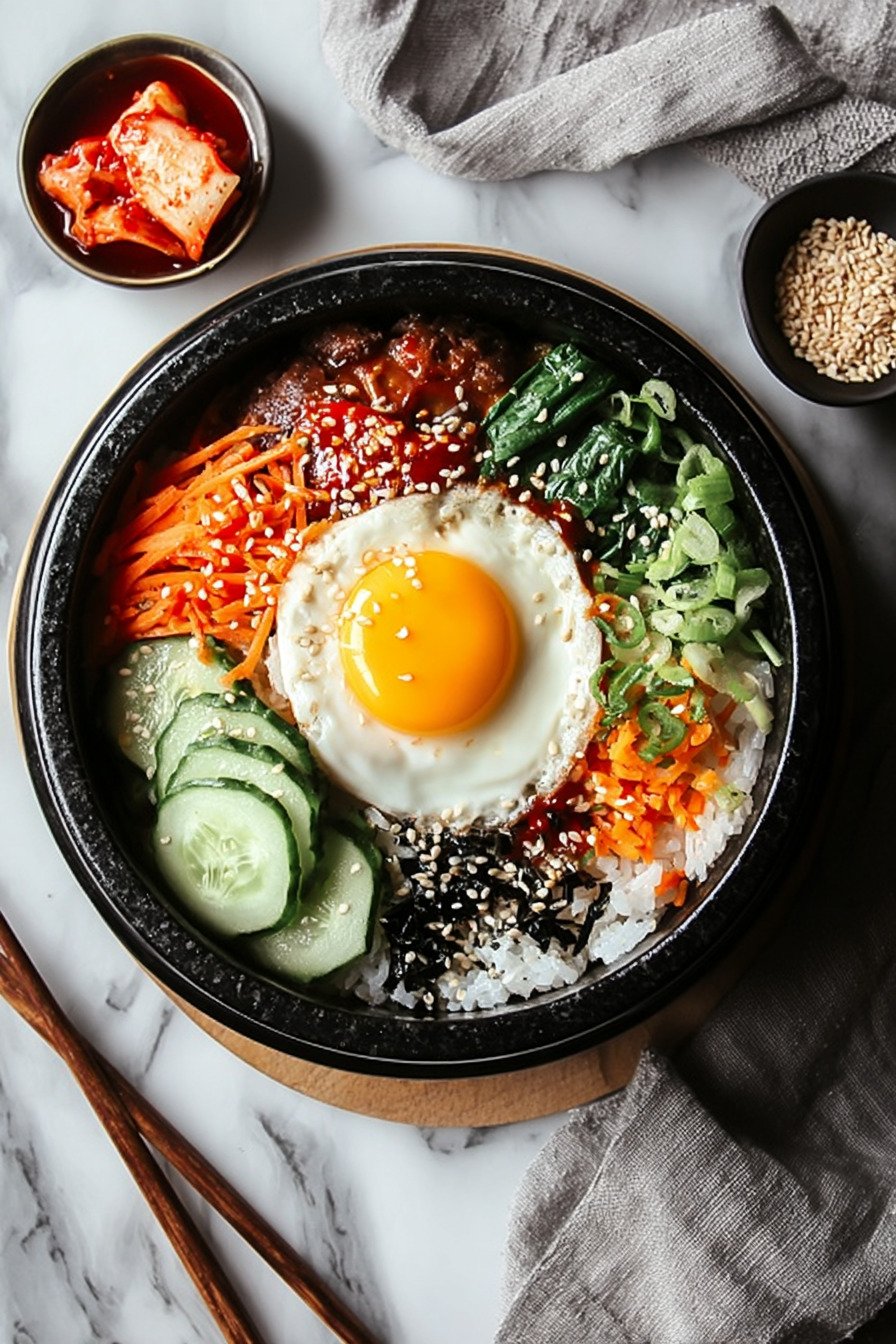
Table of Contents
- 1) Key Takeaways
- 2) Easy Korean Bibimbap Recipe
- 3) Ingredients for Korean Bibimbap
- 4) How to Make Korean Bibimbap
- 5) Tips for Making Korean Bibimbap
- 6) Making Korean Bibimbap Ahead of Time
- 7) Storing Leftover Korean Bibimbap
- 8) Try these Main Course next!
- 9) Korean Bibimbap
- 10) Nutrition
1) Key Takeaways
- Bibimbap layers rice, vegetables, meat, and egg with a bold sauce.
- This easy bibimbap recipe works well for meal prep ideas.
- Use flexible ingredients to match what you already have in the fridge.
- Keep the bibimbap recipe sauce balanced for the best flavor.
2) Easy Korean Bibimbap Recipe
I like how bibimbap feels familiar and adventurous at the same time. At its heart, it is a bowl of rice topped with vegetables, protein, and a fried egg. What makes it stand out is the bibimbap recipe sauce that pulls everything together. It turns simple ingredients into something comforting and complete. When I need meal prep ideas that don’t feel repetitive, I turn to bibimbap.
Some nights I open the fridge and see little bits of leftovers that don’t look like a meal. Once I warm rice, sauté vegetables, and fry an egg, those scraps transform into something inviting. This easy bibimbap recipe is proof that you don’t need much to eat well. We just need the willingness to layer flavors and textures into one bowl.
If you have never tried Korean Dishes Recipes before, bibimbap is a great start. It gives you freedom to mix what you have. Plus, the colors and textures make each bowl look like it belongs in a cookbook, even if you only spent twenty minutes cooking.
3) Ingredients for Korean Bibimbap
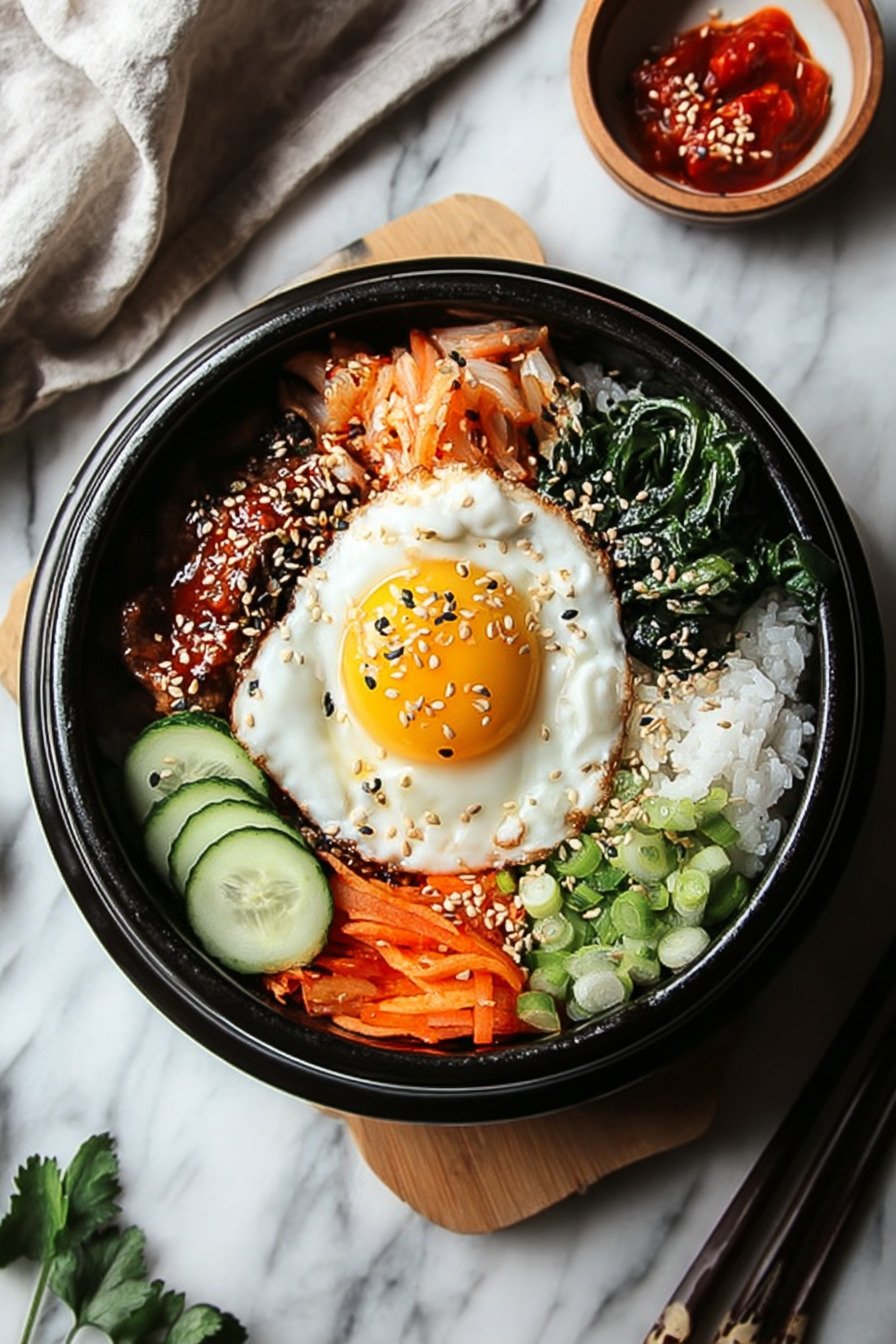
Cooked White Rice: I usually grab leftover rice from the fridge. Warm rice makes a solid base for all the toppings and helps the sauce mix evenly.
Spinach: Blanch it quickly, then squeeze out extra water. It softens but still keeps its green color, which I love against the other vegetables.
Bean Sprouts: These add a fresh crunch. A quick blanch with a pinch of salt makes them taste clean and nutty.
Carrot: I cut mine into thin strips. Carrots add both color and a little sweetness to balance the savory meat.
Zucchini: Slice it into sticks and cook until just tender. Zucchini absorbs sesame oil beautifully and adds depth to the bowl.
Shiitake Mushrooms: Sautéed mushrooms bring earthiness and chew. They help balance the freshness of the vegetables with richer tones.
Eggs: A fried egg with a runny yolk gives creaminess to each bite. That yolk mixing with rice and sauce is my favorite part.
Ground Beef or Chicken: Cooked with soy sauce, sugar, and garlic, the meat becomes savory and just a little sweet.
Soy Sauce: This seasons the meat and deepens flavor. It ties the garlic and sugar together.
Sesame Oil: I drizzle it over vegetables. The nutty aroma makes the whole bowl more inviting.
Gochujang: This Korean chili paste is bold, spicy, and slightly sweet. It is the heart of the bibimbap recipe sauce.
Sugar: Just enough to round out the soy sauce and balance the chili paste.
Garlic: Minced garlic in the meat makes it fragrant and sharp, in the best way.
Sesame Seeds: A sprinkle at the end adds a little crunch and makes the bowl look complete.
4) How to Make Korean Bibimbap
Step 1: Cook rice and keep it warm. A warm base helps the vegetables and sauce blend well.
Step 2: Cook each vegetable separately with a touch of sesame oil. Keep the flavors distinct so every bite has contrast.
Step 3: In a pan, cook the ground beef or chicken with soy sauce, garlic, and sugar until browned and tender.
Step 4: Fry eggs sunny side up. The yolk should stay soft so it melts into the rice when mixed.
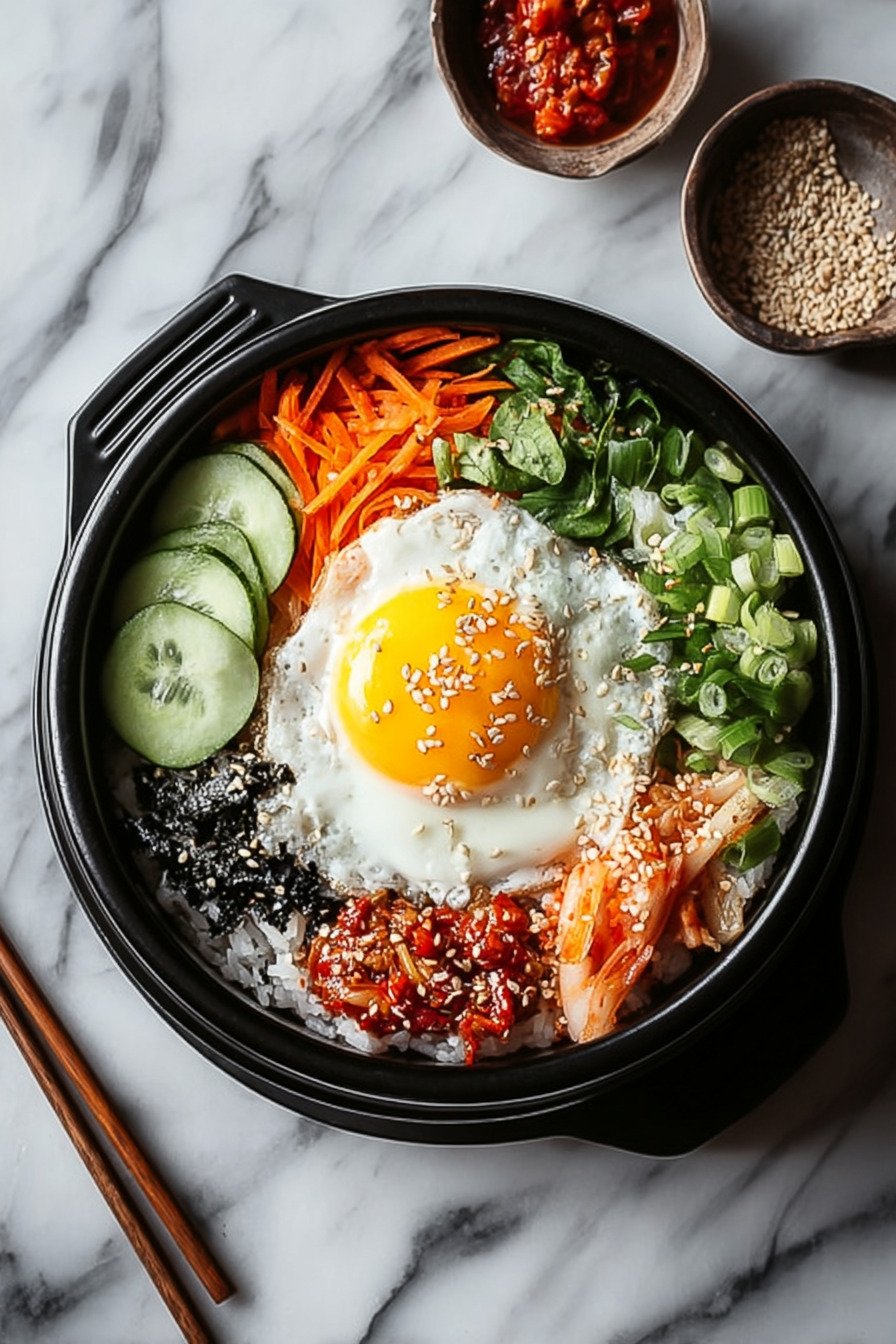
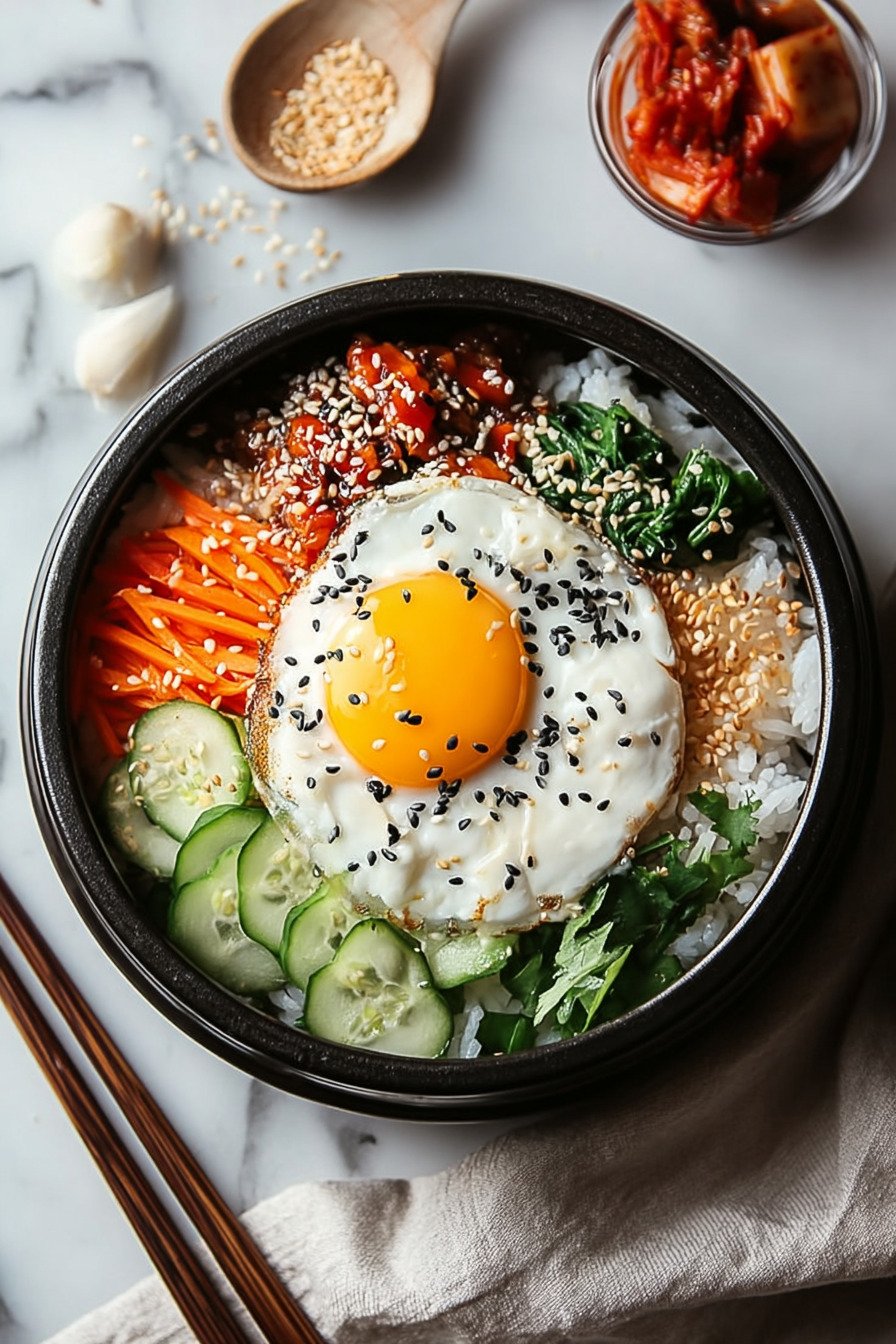
Step 5: Build the bowl by adding rice, arranging vegetables, spooning meat, and placing the egg on top.
Step 6: Finish with gochujang. Mix before eating so the sauce coats everything.
5) Tips for Making Korean Bibimbap
I think bibimbap works best when each ingredient keeps its own flavor. Cook vegetables separately. This way the zucchini stays light, mushrooms stay earthy, and carrots stay sweet. Mixing them too soon can make everything blur together.
If spice worries you, adjust the gochujang in the bibimbap recipe sauce. Some days I like more heat, some days less. Make the bowl your own. If you love sesame oil, drizzle more. If you want extra crunch, add more sprouts.
When I need recipes meal prep that last for a few days, I keep the sauce separate until serving. It keeps the vegetables fresh and the rice from getting soggy. That little detail makes the whole dish taste fresher, even two days later.
6) Making Korean Bibimbap Ahead of Time
I often turn bibimbap into meal prep chicken recipes. I cook extra meat and rice, then portion them into containers. Vegetables go in separate cups. This way, when the week gets busy, I only need to heat and assemble.
Another trick is cooking double vegetables on the weekend. Spinach, sprouts, and mushrooms hold up well for a few days. Having them ready makes weekday bowls quick and easy. I like how this method fits into my routine without stress.
If you plan ahead, you can even freeze the meat in small packs. Just thaw one, warm it, and pair with fresh rice and vegetables. Bibimbap adapts well to this kind of planning, which makes it a reliable choice for meal prep ideas that feel rewarding every time.
7) Storing Leftover Korean Bibimbap
Leftover bibimbap keeps well if you store each part separately. Rice in one container, vegetables in another, and sauce in a jar. Eggs are best cooked fresh, though I sometimes keep a boiled egg ready instead of frying a new one.
In the fridge, rice lasts up to three days. Vegetables last two to three as well, depending on how you cooked them. The bibimbap recipe sauce keeps a week in the fridge. That sauce alone makes me look forward to leftovers.
When reheating, I sprinkle a bit of water on the rice so it steams back to life. Warm the vegetables quickly, then add the egg fresh. Mixing everything together again gives almost the same joy as making it the first time.
8) Try these Main Course next!
9) Korean Bibimbap
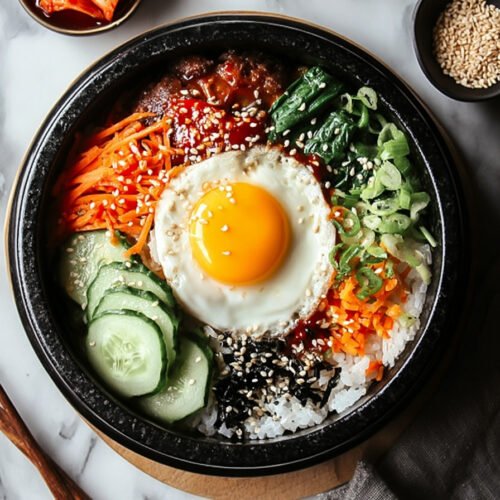
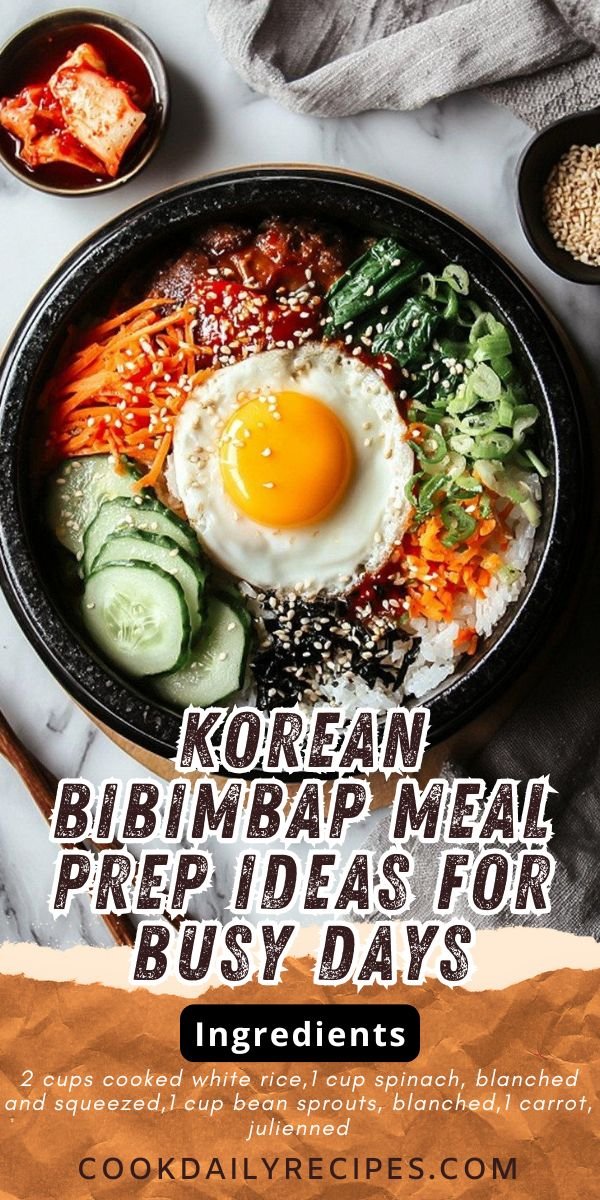
Korean Bibimbap Meal Prep Ideas for Busy Days
Ingredients
- 2 cups cooked white rice
- 1 cup spinach, blanched and squeezed
- 1 cup bean sprouts, blanched
- 1 carrot, julienned
- 1 zucchini, julienned
- 1 cup shiitake mushrooms, sliced
- 2 eggs, fried sunny side up
- 1/2 pound ground beef or chicken
- 2 tbsp soy sauce
- 1 tbsp sesame oil
- 1 tbsp gochujang (Korean chili paste)
- 1 tsp sugar
- 1 garlic clove, minced
- 1 tbsp sesame seeds
Instructions
- Cook rice and set aside.
- Sauté vegetables separately in a little sesame oil until tender. Season lightly with salt.
- In a pan, cook the ground beef or chicken with soy sauce, sugar, and garlic until browned.
- Fry eggs sunny side up.
- To serve, scoop rice into a bowl, arrange vegetables and meat on top, then place the egg in the center.
- Mix with gochujang sauce before eating.
10) Nutrition
Serving Size: 1 bowl | Calories: 520 | Sugar: 6 g | Sodium: 780 mg | Fat: 18 g | Saturated Fat: 4 g | Carbohydrates: 62 g | Fiber: 5 g | Protein: 24 g | Cholesterol: 180 mg
Written by Linda for Cook Daily Recipe


Leave a Comment