
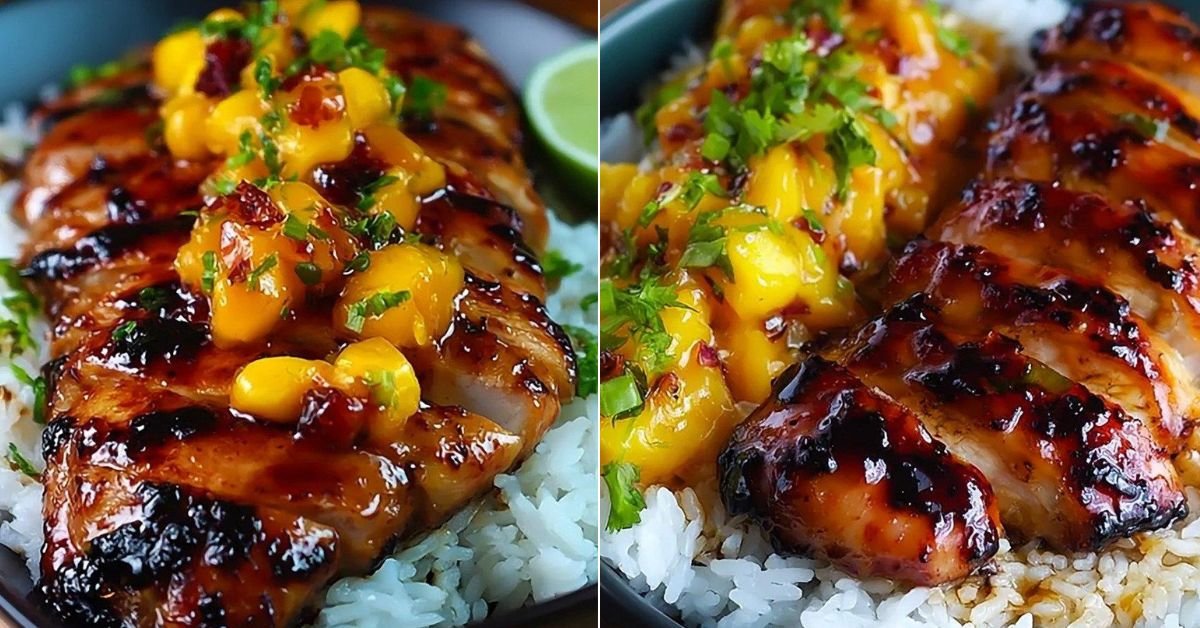
1) What I Learned Testing Sweet & Savory Asian Mango Glazed Chicken
Dry chicken with a sticky sauce that burns before it tastes good? I’m Linda, and that was my first frustrating batch before I started testing this Asian Mango Glazed Chicken more carefully. I adjusted the method by simmering the mango glaze separately, thickening it gently, then tossing it with browned chicken only at the end. That discovery changed everything: the chicken stayed juicy, the glaze turned glossy instead of scorched, and dinner felt calm again. It became one of my favorite Weeknight Dinners when I want Sweet And Savory Chicken with bright, summery flavor.
Table of Contents
- 1) What I Learned Testing Sweet & Savory Asian Mango Glazed Chicken
- 2) Key Takeaways
- 3) Easy Sweet & Savory Asian Mango Glazed Chicken Recipe
- 4) Why Most Sweet & Savory Asian Mango Glazed Chicken Recipes Fail
- 5) Ingredients for Sweet & Savory Asian Mango Glazed Chicken
- 6) How to Make Sweet & Savory Asian Mango Glazed Chicken
- 7) Recipe Card: Sweet & Savory Asian Mango Glazed Chicken
- 8) Tips for Making Sweet & Savory Asian Mango Glazed Chicken
- 9) Common Mistakes & Fixes
- 10) How to Tell Sweet & Savory Asian Mango Glazed Chicken Is Done
- 11) Professional Secrets Behind Better Sweet & Savory Asian Mango Glazed Chicken
- 12) Best Dishes or Pairings to Serve With Sweet & Savory Asian Mango Glazed Chicken
- 13) Making Sweet & Savory Asian Mango Glazed Chicken Ahead of Time
- 14) Storing Leftover Sweet & Savory Asian Mango Glazed Chicken
- 15) FAQ (Real Cooking Questions)
- 16) Save This Sweet & Savory Asian Mango Glazed Chicken Recipe
- 17) Conclusion
- 18) Nutrition
2) Key Takeaways
- Cook the glaze separately first: Mango contains natural sugars, so simmering and thickening it before it touches the chicken helps prevent scorching.
- Brown the chicken before glazing: Golden edges give this Asian Mango Glazed Chicken deeper flavor and keep the sauce from tasting flat.
- Use low heat after adding the glaze: The final 2–3 minutes should coat and shine the chicken, not boil the sauce aggressively.
- Balance sweetness with acid: Rice vinegar or lime juice keeps the mango glaze bright, making the dish work for Weeknight Dinners and Summer Dinner meals.
3) Easy Sweet & Savory Asian Mango Glazed Chicken Recipe
This Sweet & Savory Asian Mango Glazed Chicken works because the recipe separates the two jobs that often compete in one skillet: cooking the chicken properly and building a glossy fruit glaze. Chicken needs medium-high heat so the outside browns and the inside reaches a safe, juicy doneness. Mango glaze needs gentler heat because honey, maple syrup, mango, and soy sauce can darken quickly if the pan is too hot.
The flavor goal is bright and layered: ripe mango for sweetness, soy sauce for savory depth, garlic and ginger for warmth, rice vinegar or lime juice for lift, and optional chili flakes for a little heat. The finished sauce should cling to the chicken in a shiny coating, not sit in the pan like thin juice. That is why the cornstarch slurry matters. It gives the glaze enough body to coat bite-size chicken pieces without turning heavy.
For Chicken Breast Recipes, this method is especially useful because small pieces of breast meat can dry out quickly. Chicken thighs give you more forgiveness, but both options work when the pieces are cut evenly and cooked just until done. The final toss in the glaze should be short and controlled so the chicken stays tender.
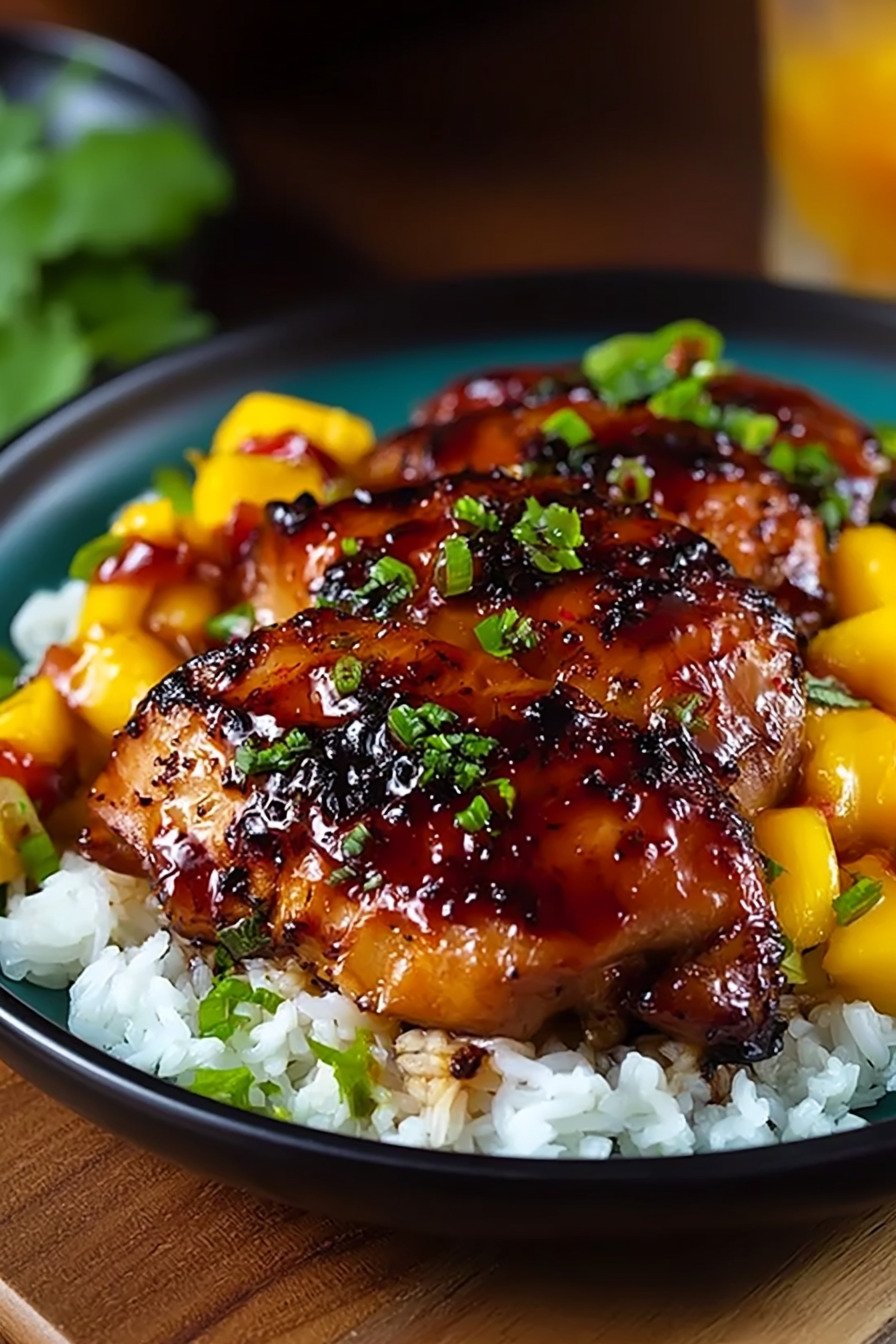
4) Why Most Sweet & Savory Asian Mango Glazed Chicken Recipes Fail
The sauce burns before the chicken cooks: Mango, honey, and maple syrup all contain sugars that can scorch over high heat. If the glaze is added too early, it may darken and taste bitter before the chicken reaches the right temperature. This method prevents that by cooking the chicken first, then glazing on low heat.
The chicken turns dry: Bite-size pieces cook quickly, especially if using chicken breasts. Overcrowding the skillet traps steam, slows browning, and encourages overcooking. A hot pan, even pieces, and occasional flipping help the chicken brown in 6–8 minutes without drying out.
The glaze tastes too sweet or flat: Mango needs contrast. Low-sodium soy sauce adds savory depth, while rice vinegar or lime juice sharpens the flavor. Without that acidity, Sweet And Savory Chicken can taste more like fruit syrup than dinner.
The glaze stays watery: Mango purée alone can be loose, especially if the fruit is very juicy. The cornstarch slurry thickens the glaze in 1–2 minutes, giving it that spoon-coating texture that clings to chicken, rice, or noodles.
The garlic or ginger tastes harsh: Garlic and ginger need a short simmer in the mango mixture to mellow their bite. Five to six minutes is enough time for the flavors to soften, deepen, and blend into the glaze instead of tasting raw.
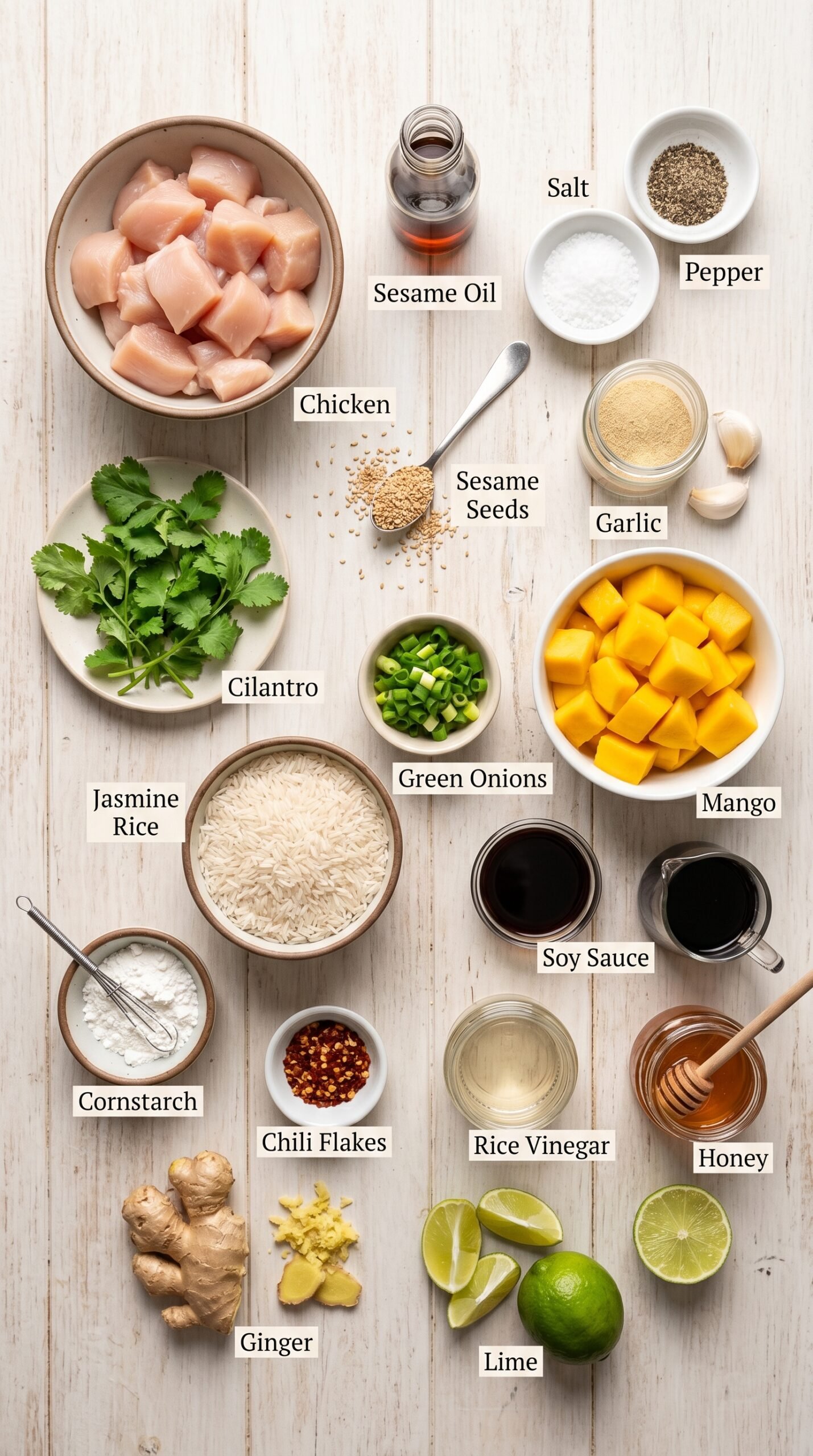
5) Ingredients for Sweet & Savory Asian Mango Glazed Chicken
Boneless, skinless chicken thighs or breasts: Chicken thighs stay juicy and forgiving, while chicken breasts create a leaner Healthy Dinner option when cooked carefully. Cut the chicken into similar bite-size pieces so everything finishes at the same time.
Olive oil or sesame oil: Oil helps the chicken brown instead of stick. Olive oil gives a cleaner flavor, while sesame oil adds a toasted aroma that works well with soy, ginger, and mango.
Salt, pepper, and garlic powder: These season the chicken before the glaze is added. If you rely only on the sauce, the outside tastes flavorful but the chicken underneath can seem bland.
Ripe mango or mango purée: Mango is the body and sweetness of the glaze. A ripe mango gives the best fresh flavor, while purée is useful when you need a quicker, smoother start.
Low-sodium soy sauce: Soy sauce adds umami and salt. Low-sodium is useful because the glaze reduces slightly as it simmers, and regular soy sauce can become too salty.
Honey or maple syrup: This gives the glaze shine and helps it cling to the chicken. Honey tastes floral and glossy, while maple syrup adds a warmer sweetness.
Rice vinegar or lime juice: Acid balances the mango. Rice vinegar is mild and rounded; lime juice tastes brighter and makes the finished dish feel especially fresh for a Summer Dinner.
Garlic, ginger, and chili flakes: Garlic gives savory depth, ginger adds warmth, and chili flakes bring optional heat. Use the chili lightly if cooking for mixed spice preferences.
Cornstarch slurry: Cornstarch mixed with water thickens the glaze quickly. Add it only after the sauce has simmered so the mango flavor has time to deepen first.
Rice, noodles, green onions, sesame seeds, herbs, and lime: These optional serving ingredients add texture, freshness, and contrast. Warm rice or noodles catch extra glaze, while lime and herbs keep the dish from feeling too sweet.
- Chicken thighs vs chicken breasts: Thighs are juicier and more forgiving; breasts are leaner but need closer timing to avoid dryness.
- Fresh mango vs mango purée: Fresh mango gives a brighter fruit flavor; purée saves time and creates a smoother glaze faster.
- Rice vinegar vs lime juice: Rice vinegar tastes gentle and balanced; lime juice adds sharper freshness at the finish.
- High heat vs low final glaze: High heat is useful for browning chicken, but low heat is safer once the sweet mango glaze enters the skillet.
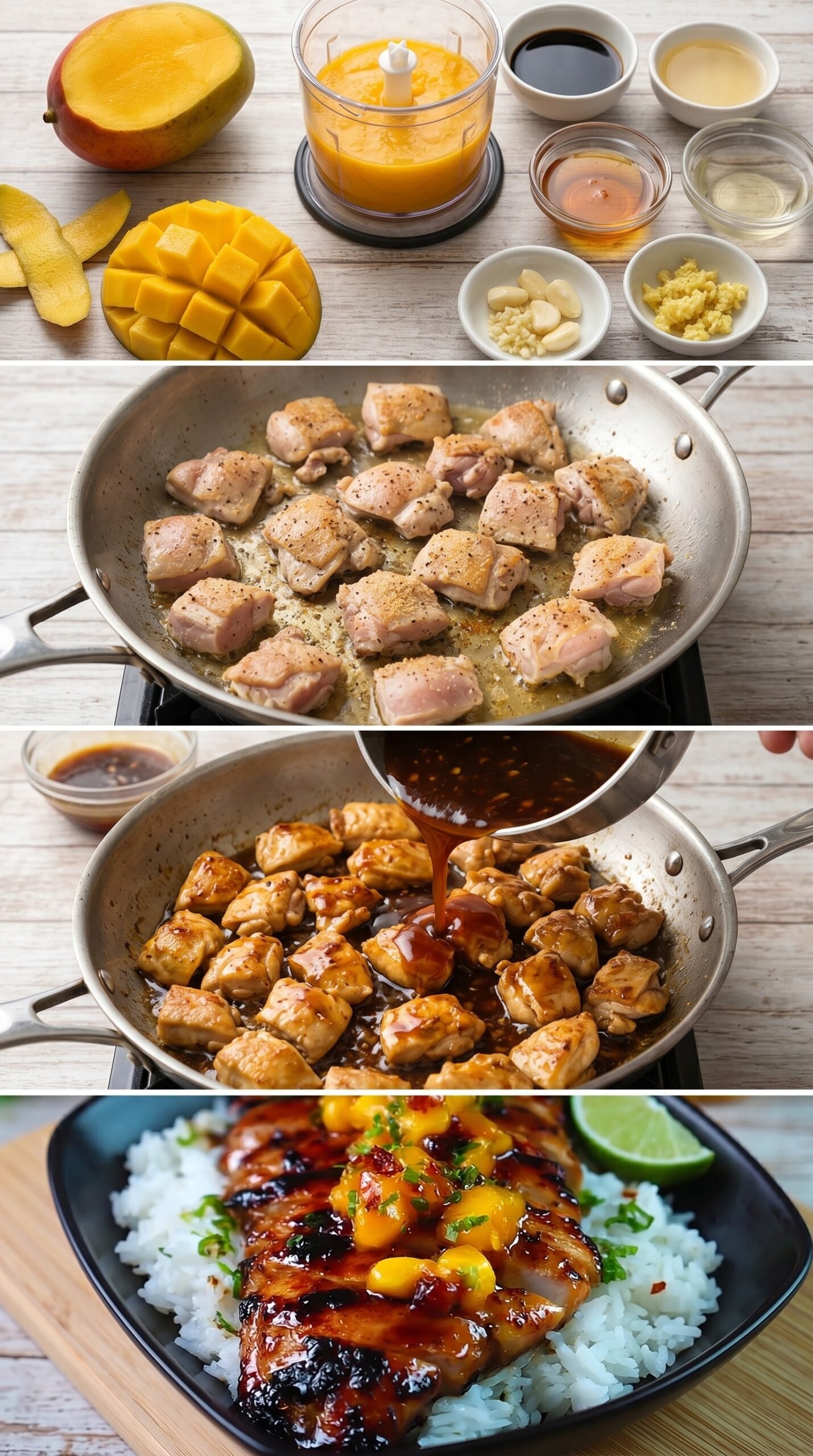
6) How to Make Sweet & Savory Asian Mango Glazed Chicken
Step 1: Blend the chopped mango until smooth, unless you are using prepared mango purée. The smoother the purée, the silkier the glaze will feel on the finished chicken.
Step 2: Simmer the mango purée with soy sauce, honey or maple syrup, rice vinegar or lime juice, garlic, ginger, and optional chili flakes. Keep it at a gentle simmer for 5–6 minutes; the aroma should shift from sharp garlic to sweet, savory, and fragrant.
Step 3: Stir in the cornstarch slurry and cook for 1–2 minutes until the glaze looks glossy and lightly coats a spoon. If it becomes too thick, a small splash of water can loosen it before it goes over the chicken.
Step 4: Season the chicken pieces with salt, pepper, and garlic powder, then cook them in hot oil over medium-high heat for 6–8 minutes. The pieces should be golden on the outside and cooked through in the center.
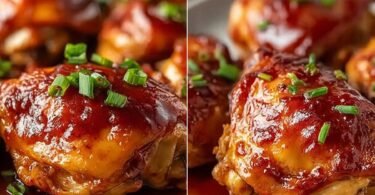
Step 5: Reduce the heat to low before adding the mango glaze. Toss for 2–3 minutes until the chicken is fully coated and the glaze clings. Stop once the sauce looks shiny and caramelized; pushing it longer can make the sugars taste bitter.
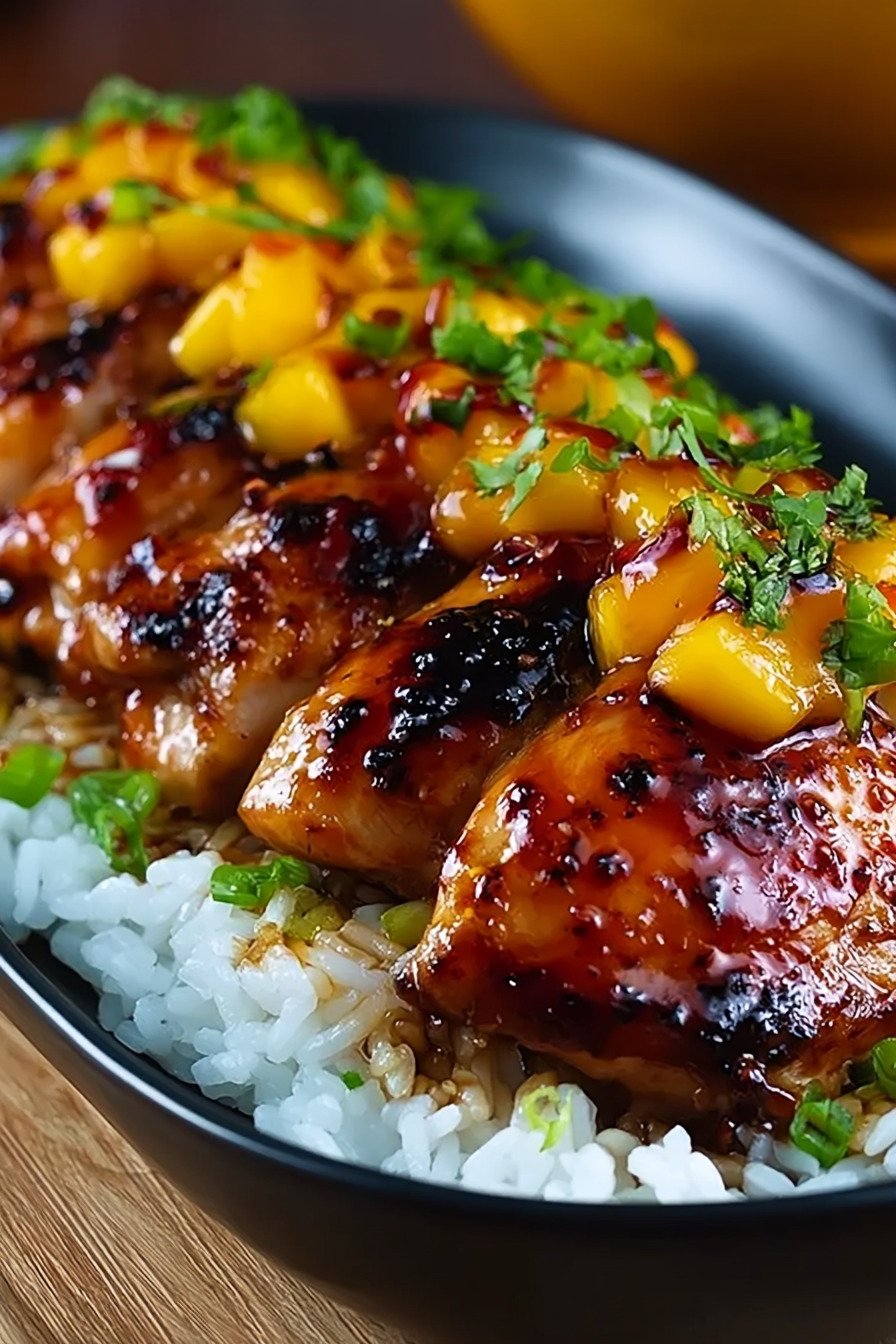
Step 6: Serve right away over warm jasmine rice or rice noodles. Finish with green onions, sesame seeds, herbs, and lime so the final plate tastes bright, balanced, and fresh.
7) Recipe Card: Sweet & Savory Asian Mango Glazed Chicken
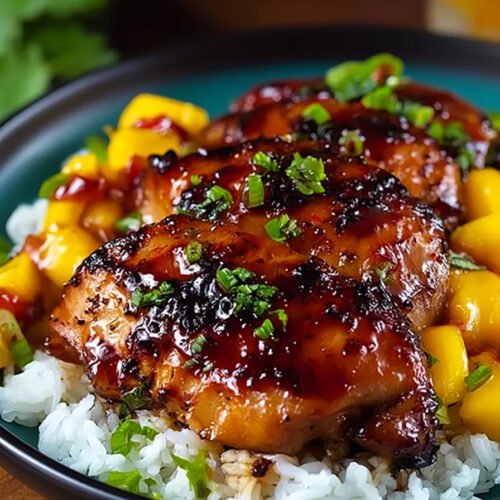
Sweet & Savory Asian Mango Glazed Chicken
Ingredients
For the Chicken
- 1½ pounds boneless, skinless chicken thighs or breasts, cut into bite-size pieces; thighs stay especially juicy, while breasts should be watched closely to avoid overcooking
- 1 tablespoon olive oil or sesame oil; sesame oil gives a deeper toasted aroma, while olive oil keeps the flavor lighter
- Salt and pepper, to taste; season before browning so the chicken tastes flavorful under the glaze
- 1 teaspoon garlic powder; helps build savory flavor directly on the chicken pieces
For the Mango Glaze
- 1 ripe mango, peeled and chopped (or ¾ cup mango purée); use a fragrant ripe mango for the smoothest natural sweetness
- 2 tablespoons low-sodium soy sauce; adds saltiness and umami without overpowering the fruit
- 1 tablespoon honey or maple syrup; boosts shine and helps the glaze cling to the chicken
- 1 tablespoon rice vinegar or lime juice; balances the sweetness with a clean acidic finish
- 2 garlic cloves, minced; mince finely so the garlic blends into the glaze instead of tasting sharp
- ½ teaspoon fresh grated ginger; adds warmth and a subtle peppery note
- ½ teaspoon chili flakes (optional, adjust to taste); use less for mild heat or more for a spicier glaze
- 1 teaspoon cornstarch mixed with 2 tablespoons water (for thickening); stir until smooth before adding so the glaze thickens evenly
For Serving (optional)
- Steamed jasmine rice or rice noodles; serve warm so they catch the extra mango glaze
- Sliced green onions; add freshness and a mild onion bite
- Toasted sesame seeds; add nutty crunch and visual contrast
- Fresh cilantro or Thai basil; add at the end for bright herbal aroma
- Lime wedges; squeeze over the finished dish to sharpen the sweet-savory balance
Instructions
Step 1: Prepare the glaze
- Blend the chopped mango in a blender or food processor until completely smooth. If using ¾ cup store-bought mango purée, skip blending and measure it directly into the saucepan.
- Pour the mango purée into a small saucepan. Add the low-sodium soy sauce, honey or maple syrup, rice vinegar or lime juice, minced garlic, grated ginger, and chili flakes if using. Stir well, bring to a gentle simmer over medium heat, then reduce to low and cook for 5–6 minutes until the aroma turns sweet, savory, and slightly tangy.
- Stir the cornstarch and water together until no dry starch remains. Add the slurry to the simmering glaze and stir constantly for 1–2 minutes, just until glossy and thick enough to lightly coat a spoon. Turn off the heat and set the glaze aside.
Step 2: Cook the chicken
- Season the bite-size chicken pieces evenly with salt, pepper, and garlic powder. Heat the olive oil or sesame oil in a large skillet over medium-high heat until shimmering, then add the chicken in a single layer. Cook for 6–8 minutes, flipping occasionally, until golden on the outside and cooked through to 165°F. Avoid crowding the pan; if needed, cook in batches so the chicken browns instead of steaming.
Step 3: Glaze and toss
- Reduce the skillet heat to low. Pour the prepared mango glaze over the cooked chicken and toss until every piece is coated. Let it simmer for 2–3 minutes, stirring often, until the glaze clings to the chicken and looks glossy rather than watery. Keep the heat low here so the sugars do not scorch.
Step 4: Serve and garnish
- Serve the Asian Mango Glazed Chicken immediately over warm jasmine rice or rice noodles. Finish with sliced green onions, toasted sesame seeds, fresh cilantro or Thai basil, and a squeeze of lime if desired. Taste before serving and add a little extra lime juice if the glaze needs more brightness.
8) Tips for Making Sweet & Savory Asian Mango Glazed Chicken
Cut the chicken into pieces close to the same size. Uneven pieces are one of the easiest ways to end up with dry small bits and undercooked larger pieces in the same skillet.
Let the skillet get properly hot before adding the chicken. You should hear a clear sizzle when the first pieces go in. If the pan is too cool, the chicken releases liquid and steams instead of browning.
Do not pour the glaze over raw chicken. The mango sauce is built for a short finishing simmer, not a long high-heat cook. Keeping the glaze separate until the chicken is done protects the fruit flavor and prevents scorching.
Use low heat for the final toss. This is the small technique that makes Asian Mango Glazed Chicken look glossy instead of sticky in a harsh way. The sauce should hug the chicken, not aggressively bubble around it.
Taste the glaze before serving. If it tastes too sweet, add lime. If it tastes too sharp, simmer it another minute. If it tastes flat, a tiny pinch of salt or an extra squeeze of lime usually wakes it up.
9) Common Mistakes & Fixes
Problem: The glaze tastes burnt. Cause: The sauce was cooked too hot after the sweet mango and honey were added. Fix: Simmer the glaze gently in a saucepan, then toss it with cooked chicken over low heat only.
Problem: The chicken is pale and watery. Cause: The skillet was crowded or not hot enough. Fix: Cook in a single layer and use batches if needed so the pieces brown instead of steam.
Problem: The glaze will not cling. Cause: The cornstarch slurry may not have cooked long enough, or the mango purée was very thin. Fix: Stir the glaze for another minute over gentle heat until it lightly coats a spoon.
Problem: The dish tastes too sweet. Cause: Mango ripeness varies, and honey or maple syrup can push the sauce sweeter. Fix: Finish with lime juice or rice vinegar to sharpen the glaze.
Problem: The chicken breast pieces are dry. Cause: They were cooked past doneness before glazing. Fix: Pull chicken breasts as soon as they are cooked through, then glaze briefly over low heat.
10) How to Tell Sweet & Savory Asian Mango Glazed Chicken Is Done
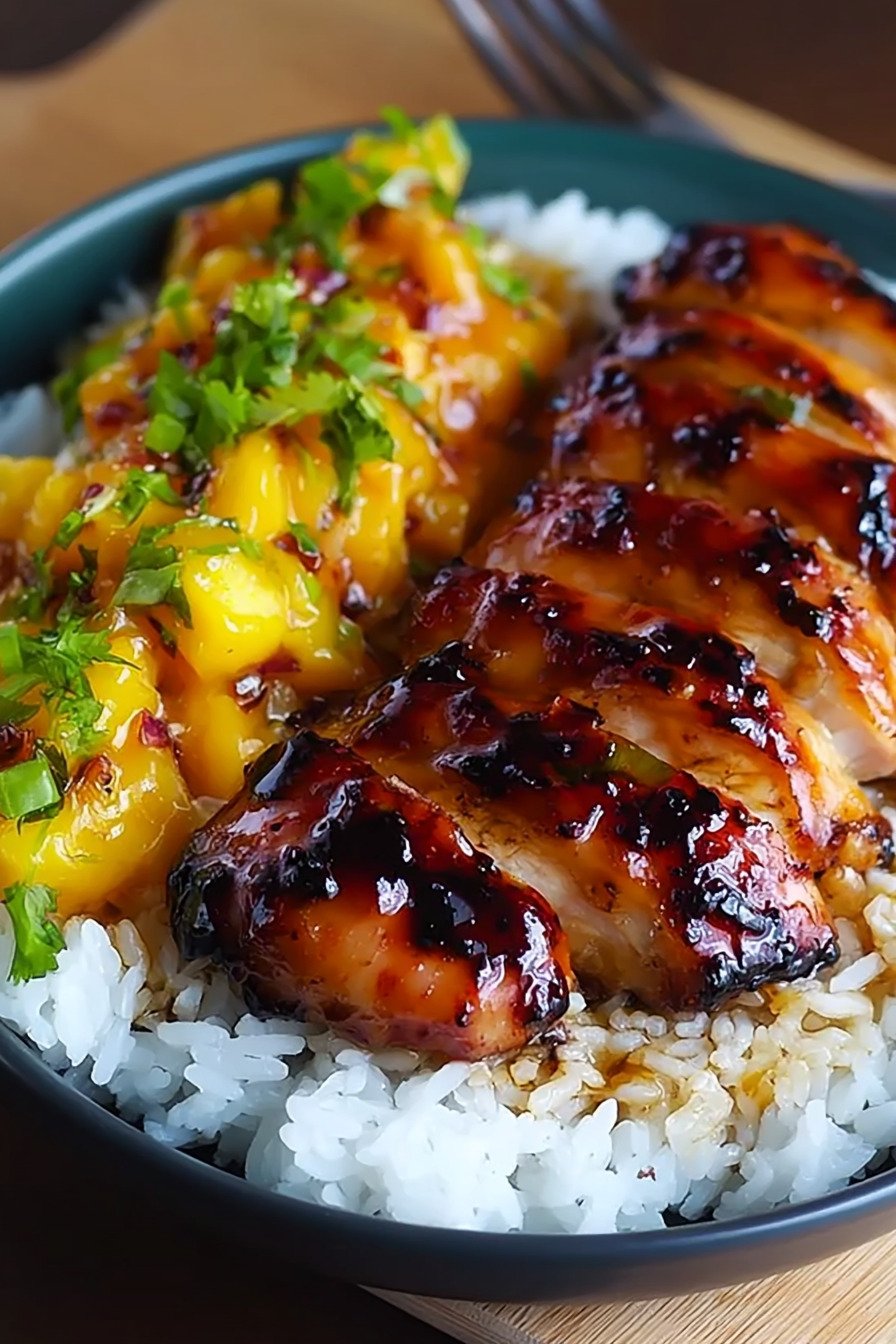
The chicken should be golden in spots, firm but not hard, and cooked through in the center. If using a thermometer, the thickest pieces should reach 165°F. Visually, the glaze should look glossy and smooth, not foamy, watery, or burnt around the edges of the skillet.
The texture should be juicy inside with a light coating outside. The sauce should cling to each piece without forming a thick candy-like shell. When you drag a spoon through the skillet, the glaze should briefly leave a trail before settling back around the chicken.
The aroma should smell like ripe mango, garlic, ginger, and toasted savory notes from the browned chicken. If it smells harsh, the garlic may need a little more simmering. If it smells bitter or smoky, the heat was likely too high after the glaze was added.
11) Professional Secrets Behind Better Sweet & Savory Asian Mango Glazed Chicken
The first secret is staged cooking. Professional kitchens rarely ask one pan to do every job at once when the ingredients need different heat levels. Here, chicken benefits from medium-high heat, while mango glaze benefits from a controlled simmer and a low finishing toss.
The second secret is acid control. Sweet sauces need a counterweight, especially when fruit is involved. Rice vinegar or lime juice does more than add tang; it keeps the glaze from tasting heavy and helps the savory soy sauce read as balanced rather than salty.
The third secret is watching the sheen. A good glaze tells you when it is ready. Dull and loose means it needs more time. Thick and sticky with dark edges means it went too far. Glossy, spoon-coating, and fluid is the sweet spot.
The fourth secret is finishing with freshness. Green onions, herbs, sesame seeds, and lime are not just decoration. They create contrast against the warm sweet-savory glaze, which is why the final dish tastes brighter and more complete.
12) Best Dishes or Pairings to Serve With Sweet & Savory Asian Mango Glazed Chicken
Jasmine rice is the most natural pairing because it absorbs the extra mango glaze without competing with the flavor. Rice noodles also work well when you want something softer and more slurpable, especially for Quick Lunch Recipes made from leftovers.
For vegetables, choose clean, crisp sides that balance the sweet glaze. Steamed broccoli, snap peas, cucumber salad, shredded cabbage, or roasted green beans all work because they bring freshness and crunch. If you want a Healthy Dinner plate, keep the side simple and let the chicken carry the bold flavor.
For a Summer Dinner, serve this chicken with lime wedges, extra herbs, and a cool cucumber or mango salad. The fresh contrast keeps the meal from feeling too rich and makes the glaze taste brighter.

13) Making Sweet & Savory Asian Mango Glazed Chicken Ahead of Time
The best make-ahead strategy is to prepare the mango glaze separately and store it in the refrigerator for up to 2 days. Warm it gently before adding it to freshly cooked chicken. This protects the chicken texture because cooked chicken can dry out when reheated too many times.
You can also cut the chicken ahead and keep it covered in the refrigerator until cooking time. Season it shortly before it goes into the skillet so the surface browns well. If the glaze thickens too much in the fridge, loosen it with a small splash of water while reheating.
If making the full dish ahead, slightly under-reduce the glaze so it has room to thicken during reheating. The goal is to preserve the glossy texture without turning the sauce sticky or overly concentrated.
14) Storing Leftover Sweet & Savory Asian Mango Glazed Chicken
Store leftovers in an airtight container in the refrigerator for up to 3 days. The glaze will thicken as it chills, so reheat gently in a skillet with a splash of water. Keep the heat low and stir often until the chicken is warmed through.
Microwaving works for speed, but use short bursts and cover the chicken loosely so it does not dry out. Stir between bursts to redistribute the glaze. If the sauce tastes muted after chilling, a squeeze of lime can bring back its brightness.
Leftovers are useful in rice bowls, lettuce cups, noodle bowls, or wraps. Add something crisp, such as cucumber, cabbage, or green onion, because the contrast helps the reheated glaze taste fresh again.
15) FAQ (Real Cooking Questions)
Can I use chicken breasts instead of thighs? Yes. Chicken breasts work well, but cut them evenly and avoid overcooking. They are leaner than thighs, so they need closer timing to stay juicy.
Can I use frozen mango? Yes, thaw it first and drain off excess liquid if it seems watery. Blend until smooth, then simmer the purée as directed so the flavor concentrates.
Why is my mango glaze too thick? It may have reduced too long or had a little too much cornstarch. Whisk in a small splash of water over low heat until it returns to a glossy, spoon-coating texture.
How spicy is this recipe? The chili flakes are optional. Use a small pinch for gentle warmth, the full amount for noticeable heat, or leave them out for a mild Sweet And Savory Chicken dinner.
Can I make this for meal prep? Yes, but the best texture comes from storing the glaze and chicken separately when possible. If fully cooked together, reheat gently and add lime or fresh herbs before serving.
16) Save This Sweet & Savory Asian Mango Glazed Chicken Recipe
If this Sweet & Savory Asian Mango Glazed Chicken helped you solve the problem of dry chicken or burnt sticky sauce, save it for busy Weeknight Dinners. The key reminder is: brown the chicken first, thicken the mango glaze separately, then toss everything together gently over low heat.
17) Conclusion
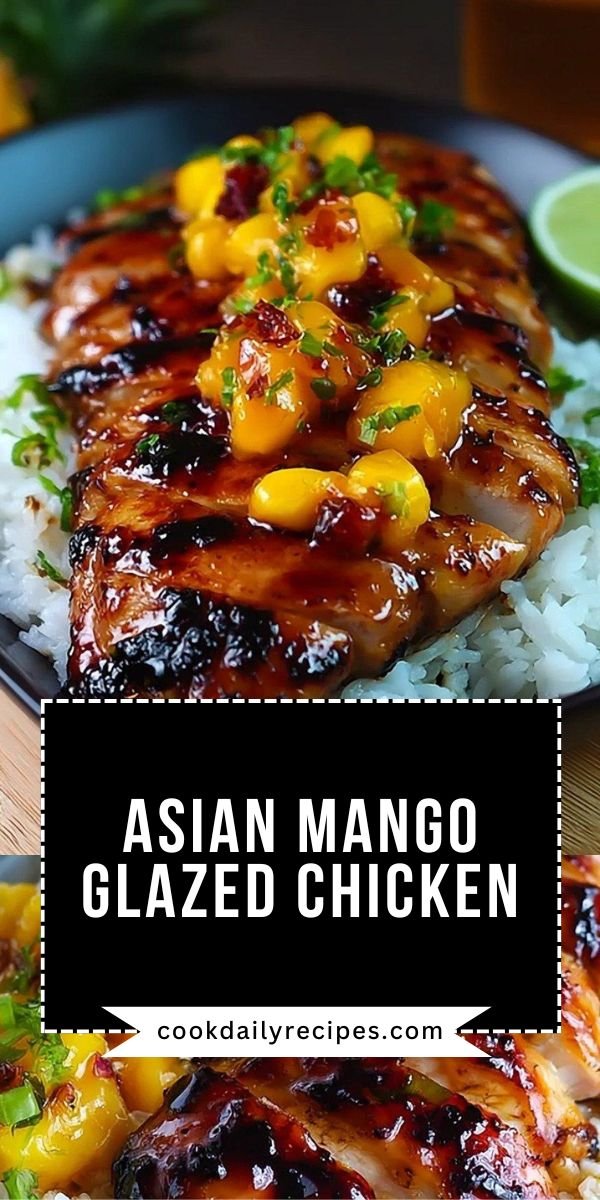
Once you understand the timing, Asian Mango Glazed Chicken becomes much easier to control. The chicken needs browning, the mango glaze needs a gentle simmer, and the final toss needs low heat. That sequence turns a recipe that can easily become dry, watery, or scorched into a glossy skillet dinner with juicy chicken and balanced sweet-savory flavor.
The real secret is not adding more ingredients; it is giving each ingredient the right moment. Mango brings sweetness, soy sauce brings depth, vinegar or lime brings balance, and garlic and ginger bring warmth. When those pieces come together in the right order, the dish feels bright, confident, and deeply satisfying.
18) Nutrition
Serving Size 1 portion Calories 365 Sugar 15 g Sodium 640 mg Fat 14 g Saturated Fat 3 g Carbohydrates 24 g Fiber 2 g Protein 36 g Cholesterol 145 mg


Leave a Comment