
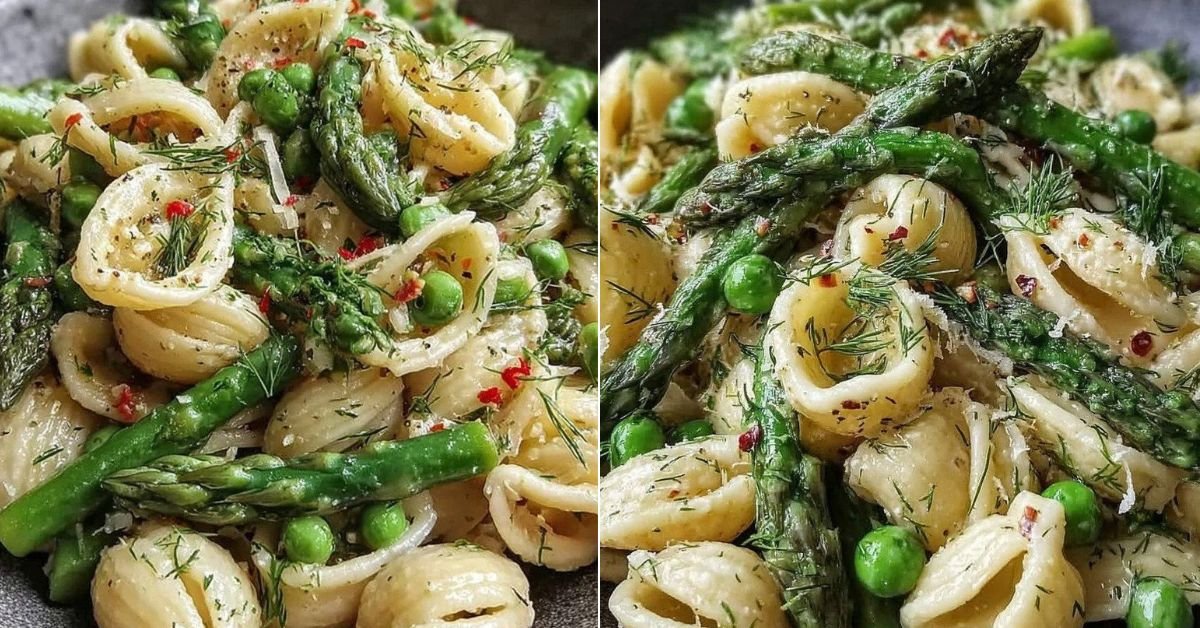
1) What Makes This Fresh Spring Pasta Salad Recipe Work
Watery pasta salad can make even fresh spring vegetables taste flat. I’m Linda, and after one batch turned dull because the pasta held too much rinse water, I tested the timing, draining, and dressing balance until the lemon dill vinaigrette finally clung instead of sliding off. The discovery was simple: al dente pasta, tender-crisp asparagus, and a short rest give this spring pasta salad the bright, fresh flavor I want for calm Sunday lunches, Easter brunch, and easy family sides.
Table of Contents
- 1) What Makes This Fresh Spring Pasta Salad Recipe Work
- 2) Key Takeaways
- 3) Easy Fresh Spring Pasta Salad Recipe with Asparagus and Lemon Dill Vinaigrette Easy Homemade Side Dish Recipe
- 4) Why Most Fresh Spring Pasta Salad Recipe with Asparagus and Lemon Dill Vinaigrette Easy Homemade Side Dish Recipes Fail
- 5) Ingredients for Fresh Spring Pasta Salad Recipe with Asparagus and Lemon Dill Vinaigrette Easy Homemade Side Dish
- 6) How to Make Fresh Spring Pasta Salad Recipe with Asparagus and Lemon Dill Vinaigrette Easy Homemade Side Dish
- 7) Recipe Card: Fresh Spring Pasta Salad Recipe with Asparagus and Lemon Dill Vinaigrette Easy Homemade Side Dish
- 8) Tips for Making Fresh Spring Pasta Salad Recipe with Asparagus and Lemon Dill Vinaigrette Easy Homemade Side Dish
- 9) Common Mistakes & Fixes
- 10) How to Tell Fresh Spring Pasta Salad Has the Right Texture
- 11) Professional Secrets Behind Better Fresh Spring Pasta Salad
- 12) Best Dishes or Pairings to Serve With Fresh Spring Pasta Salad
- 13) Making Fresh Spring Pasta Salad Ahead of Time
- 14) Storing Leftover Fresh Spring Pasta Salad
- 15) FAQ (Real Cooking Questions)
- 16) Save This Fresh Spring Pasta Salad Recipe
- 17) Conclusion
- 18) Nutrition
2) Key Takeaways
- The biggest texture trick is draining the pasta and asparagus very well after rinsing so the vinaigrette does not become diluted.
- Add the asparagus during the final minutes of pasta cooking so it turns bright green while staying tender-crisp.
- Dijon mustard helps the lemon dill vinaigrette emulsify, giving the spring pasta salad a cleaner coating and less oily separation.
- A 10-minute rest improves flavor, but the salad should not sit in excess water or it will taste muted.
3) Easy Fresh Spring Pasta Salad Recipe with Asparagus and Lemon Dill Vinaigrette Easy Homemade Side Dish Recipe
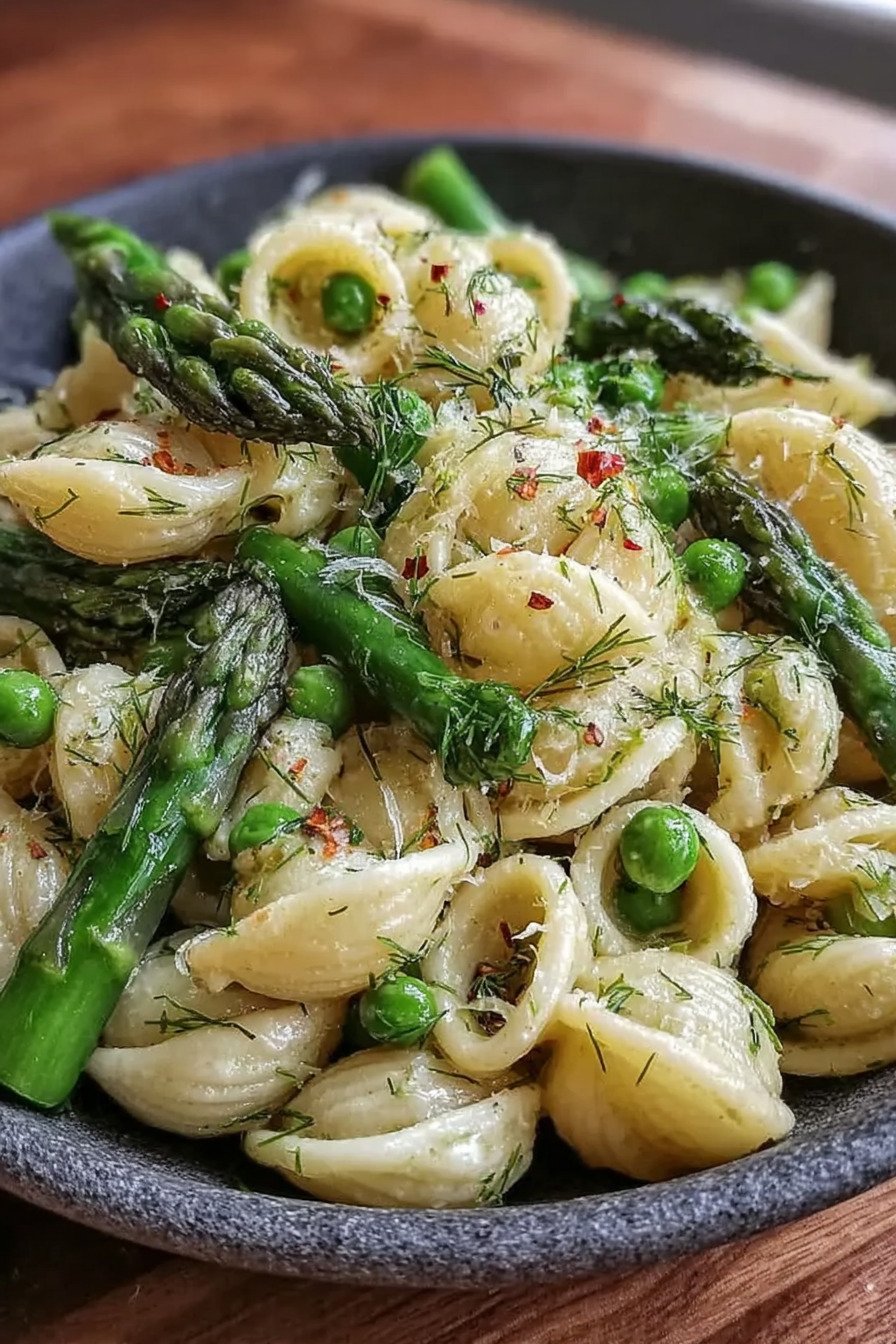
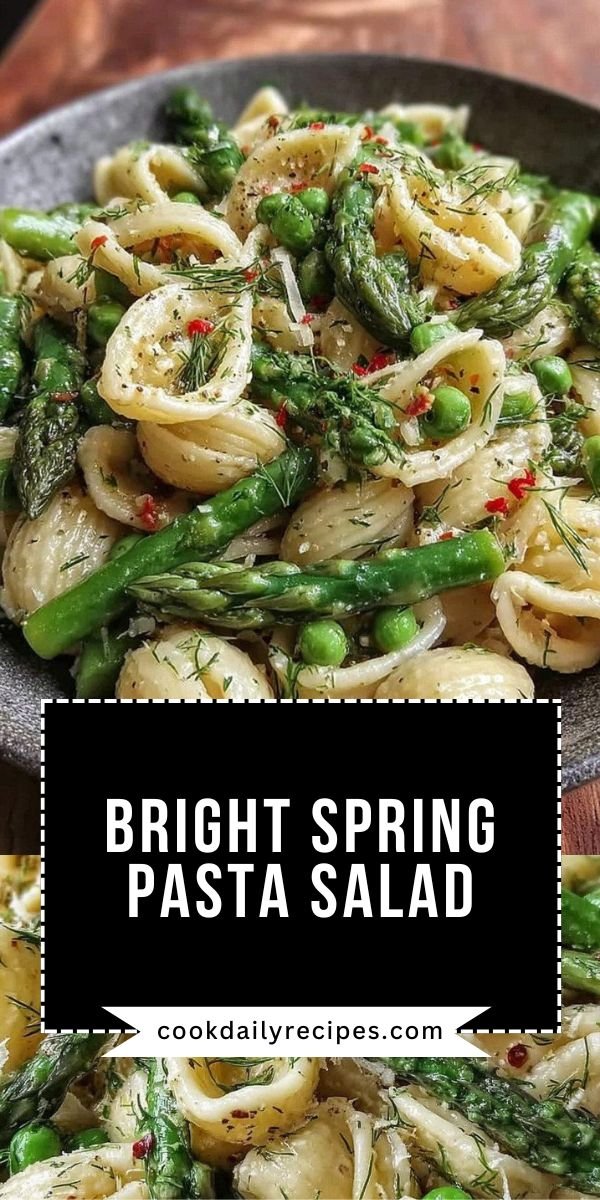
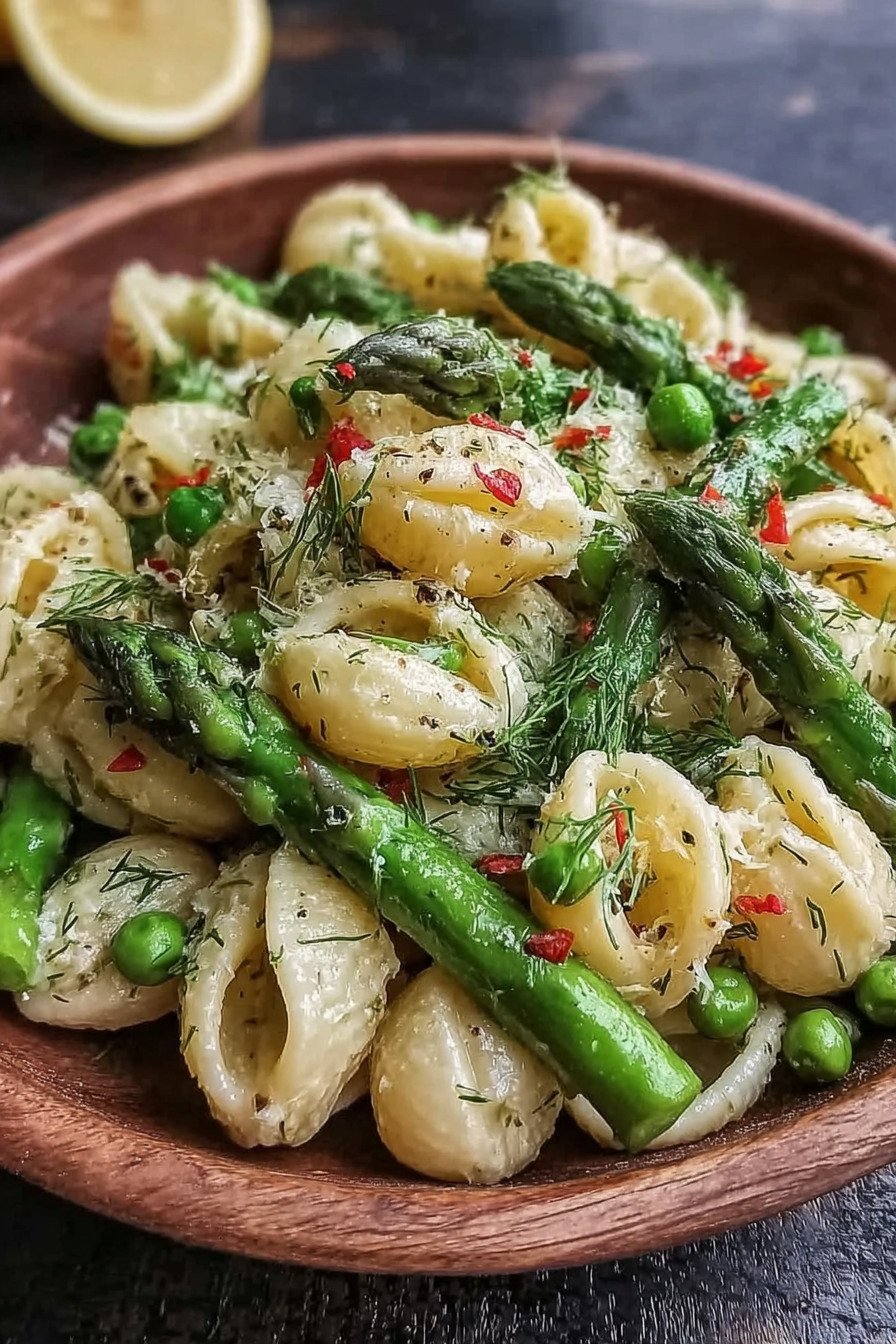
This fresh spring pasta salad is built around contrast: cool pasta, crisp asparagus, sweet peas, sharp red onion, fresh dill, and a lemon vinaigrette that tastes bright without being sour. The method works because the pasta is cooked only to al dente, the asparagus is blanched briefly instead of boiled until limp, and the dressing is whisked until slightly thickened before it touches the salad. That small emulsification step helps the olive oil, lemon juice, Dijon, garlic, and honey cling to the pasta instead of pooling at the bottom of the bowl.
4) Why Most Fresh Spring Pasta Salad Recipe with Asparagus and Lemon Dill Vinaigrette Easy Homemade Side Dish Recipes Fail
Most spring pasta salad problems start with moisture. If the pasta and asparagus are rinsed but not drained well, the extra water thins the lemon dill vinaigrette and makes the whole salad taste underseasoned. The fix is to shake the colander, let the pasta sit briefly, and avoid transferring standing water into the mixing bowl.
Another common failure is overcooked asparagus. Asparagus only needs a short blanch in the pasta water; when it turns bright green and feels tender-crisp, it is ready. If it cooks too long, it loses its snap and blends into the pasta instead of giving the salad a fresh spring bite.
Flat flavor usually comes from underseasoning the pasta water or skipping the final taste adjustment. Cold pasta needs more seasoning than hot pasta because chilled foods taste less intense. Salt the boiling water, season the vinaigrette, then taste again after the salad rests.
Dressing separation can also make pasta salad feel oily in one bite and dry in the next. Dijon mustard helps bind the lemon juice and olive oil, while honey or maple syrup softens the acidity. Whisk until the dressing looks slightly thickened before pouring it over the salad.
5) Ingredients for Fresh Spring Pasta Salad Recipe with Asparagus and Lemon Dill Vinaigrette Easy Homemade Side Dish
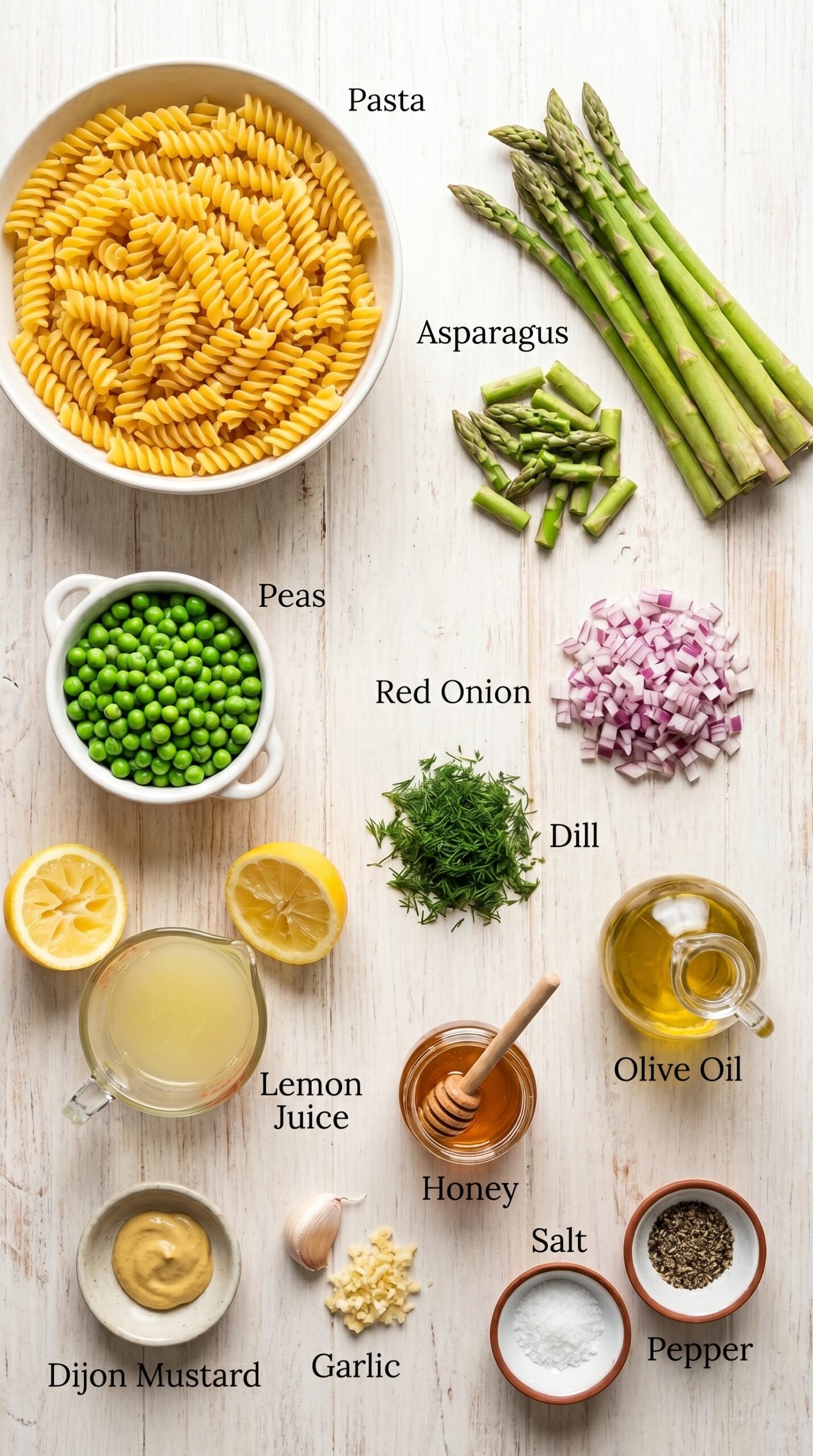
Fusilli or penne pasta: Short pasta works because the ridges and hollow centers catch the vinaigrette. Use it cooked al dente; if it is too soft, the salad becomes heavy after resting.
Asparagus: Asparagus gives this spring pasta salad with asparagus its seasonal snap. Add it near the end of pasta cooking so it blanches quickly without turning dull or limp.
Fresh or thawed peas: Peas add sweetness and color. If using thawed peas, drain them well so they do not add extra water to the salad.
Red onion: Red onion is optional, but it adds a sharp contrast to the sweet peas and grassy asparagus. Dice it finely so it seasons the salad instead of dominating it.
Fresh dill: Dill is the herb that makes the vinaigrette taste fresh and spring-like. Add it after the pasta has cooled so the herb stays fragrant.
Fresh lemon juice: Lemon juice gives the salad its bright acidity. Bottled juice can taste dull or harsh, so fresh lemon is better when the dressing is the main flavor.
Extra virgin olive oil: Olive oil rounds out the lemon and carries the dill, garlic, and mustard through the pasta. If replaced with a neutral oil, the salad will taste less full.
Honey or maple syrup: A small amount balances the acidity. It should not make the dressing sweet; it simply keeps the lemon from tasting sharp.
Dijon mustard: Dijon helps emulsify the vinaigrette and gives it a subtle savory edge. Without it, the dressing separates faster.
Garlic: A small minced clove adds depth to the lemon dill vinaigrette. Use it finely minced so no one gets a harsh bite of raw garlic.
Salt and freshly cracked black pepper: Salt wakes up the vegetables and pasta, while black pepper adds a gentle bite. Adjust both after the salad rests because pasta absorbs seasoning.
- Fusilli vs penne: Fusilli catches more dressing in its spirals, while penne gives a cleaner bite and works well for a neater party bowl.
- Warm pasta vs cooled pasta: Warm pasta absorbs dressing quickly but can soften herbs; cooled pasta keeps the dill fresher and the salad lighter.
- Fresh asparagus vs overcooked asparagus: Bright green, tender-crisp asparagus tastes clean and seasonal; overcooked asparagus turns dull and watery.
- Emulsified dressing vs separated dressing: A whisked vinaigrette coats the pasta evenly, while separated dressing leaves oily patches and bland bites.
6) How to Make Fresh Spring Pasta Salad Recipe with Asparagus and Lemon Dill Vinaigrette Easy Homemade Side Dish
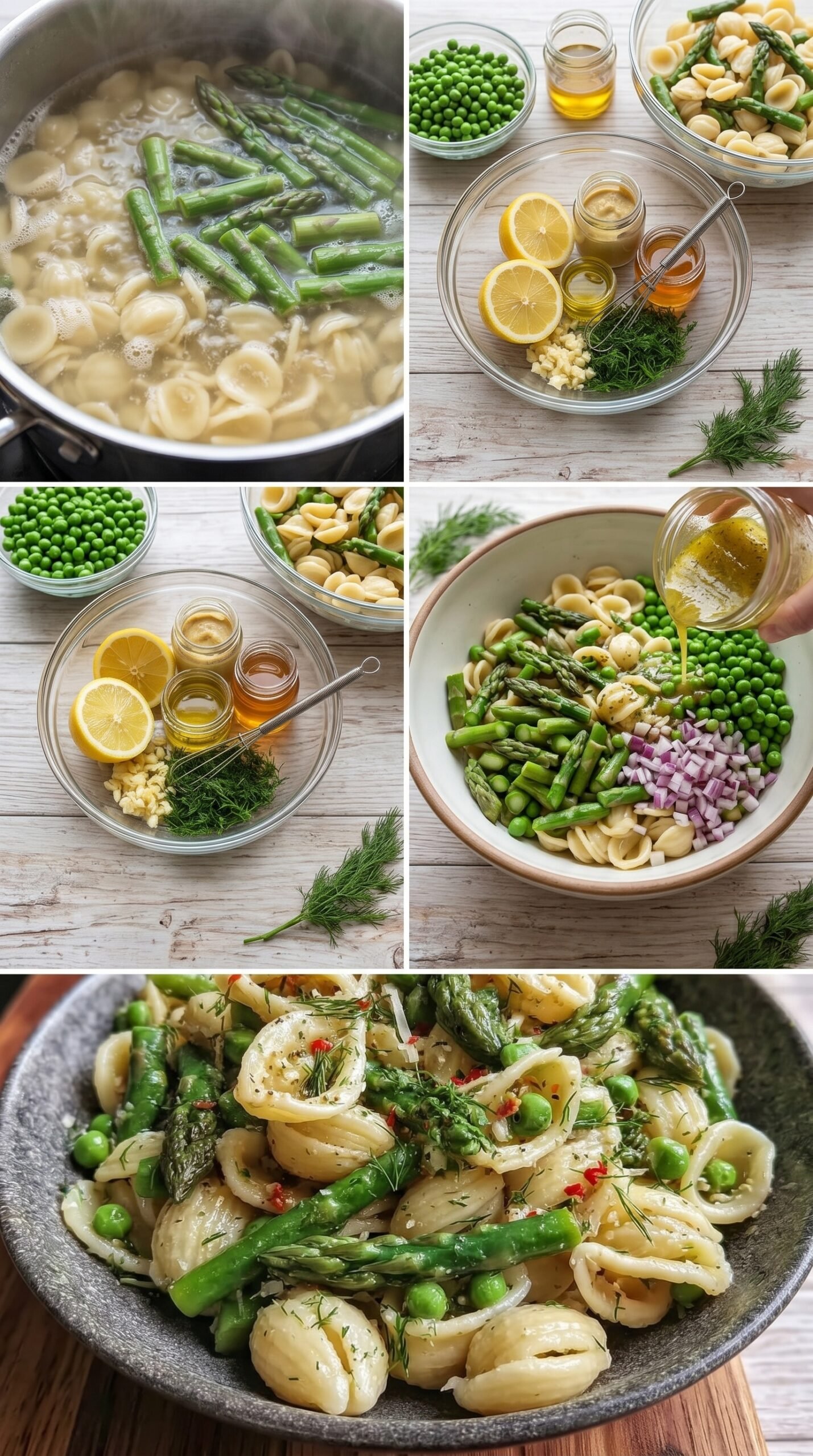
Step 1: Bring a large pot of salted water to a full boil before adding the pasta. Cook the fusilli or penne until al dente, usually 9 to 11 minutes, stirring occasionally so the pieces stay separate.
Step 2: While the pasta cooks, trim the woody ends from the asparagus and cut the stalks into even 1.5-inch pieces. Add the asparagus during the final 3 minutes so it blanches in the same pot and turns vivid green.
Step 3: Drain the pasta and asparagus together, then rinse immediately under cold water to stop the cooking. Let the colander drain thoroughly because trapped water is the fastest way to weaken a healthy spring pasta salad.
Step 4: Whisk the lemon juice, olive oil, Dijon mustard, honey or maple syrup, minced garlic, salt, and pepper until the vinaigrette looks slightly thickened. This helps the dressing coat the pasta instead of separating.
Step 5: Toss the cooled pasta and asparagus with peas, optional red onion, and dill. Add the vinaigrette, fold gently until everything is coated, then rest for at least 10 minutes before tasting and adjusting with lemon, salt, or pepper.
7) Recipe Card: Fresh Spring Pasta Salad Recipe with Asparagus and Lemon Dill Vinaigrette Easy Homemade Side Dish
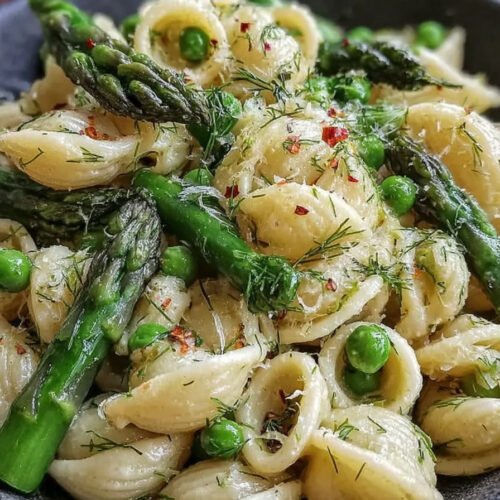
Fresh Spring Pasta Salad Recipe with Asparagus and Lemon Dill Vinaigrette
Ingredients
- 12 ounces fusilli or penne pasta, cooked just until al dente so the salad keeps a pleasant bite
- 1 bunch (about 1 pound or 450 grams) asparagus, trimmed and cut into 1.5-inch pieces for even blanching
- 1 cup (150 grams) fresh or thawed peas, drained well if thawed
- 1/4 cup finely diced red onion (optional), cut small so it adds sharpness without overpowering the salad
- 2 tablespoons chopped fresh dill, added for a fresh herbal finish
- 3 tablespoons fresh lemon juice (from about 1 large lemon), freshly squeezed for the cleanest flavor
- 1/3 cup (80 ml) extra virgin olive oil, used to round out the acidity of the vinaigrette
- 1 teaspoon honey or maple syrup, just enough to soften the lemon’s sharp edge
- 1 teaspoon Dijon mustard, to help the vinaigrette emulsify and cling to the pasta
- 1 small garlic clove, minced finely so the flavor spreads evenly
- Salt and freshly cracked black pepper to taste, adjusted after the salad rests
Instructions
- Bring a large pot of well-salted water to a rolling boil. Add 12 ounces of fusilli or penne and cook according to the package directions until al dente, usually 9 to 11 minutes, stirring occasionally so the pasta does not stick together.
- While the pasta cooks, trim the woody ends from the asparagus and cut the stalks into 1.5-inch pieces. About 3 minutes before the pasta is finished, add the asparagus to the same boiling water and blanch until bright green and tender-crisp.
- Drain the pasta and asparagus together in a colander. Rinse immediately under cold water to stop the cooking and cool the salad base, then drain very well so the final salad does not taste watery.
- In a small bowl or jar, whisk together the lemon juice, extra virgin olive oil, Dijon mustard, honey or maple syrup, minced garlic, salt, and black pepper until the vinaigrette looks slightly thickened and evenly blended.
- In a large mixing bowl, combine the cooled pasta and asparagus with the peas, optional diced red onion, and chopped fresh dill. Toss gently so the vegetables stay intact.
- Pour the lemon dill vinaigrette over the pasta salad and toss thoroughly, folding from the bottom of the bowl so every piece is lightly coated.
- Taste and adjust with more salt, black pepper, or lemon juice if needed. Let the salad rest for at least 10 minutes before serving so the pasta absorbs some dressing and the flavors settle.
8) Tips for Making Fresh Spring Pasta Salad Recipe with Asparagus and Lemon Dill Vinaigrette Easy Homemade Side Dish
Use a large pot so the pasta has room to move and cook evenly. Crowded pasta releases more starch into a smaller amount of water, which can make the cooled salad feel sticky. Salt the water before adding the pasta because the vinaigrette seasons the outside, but salted water seasons the pasta itself.
Keep the asparagus pieces similar in size. Thin tips and thick stems cook at different speeds, so even pieces give you a more consistent bite. If your asparagus is very thin, check it after 2 minutes; if it is thick, the full 3 minutes usually gives the right tender-crisp texture.
Do not skip the rest. Ten minutes gives the pasta time to absorb some lemon dill vinaigrette, but it is short enough to keep the herbs fresh and the vegetables lively. This is especially helpful for spring pasta salads for parties because the flavor tastes more settled when served.
9) Common Mistakes & Fixes
Problem: The salad tastes watery. Cause: The pasta and asparagus were not drained well after rinsing. Fix: Shake the colander, let the mixture sit briefly, and avoid adding dressing until visible water is gone.
Problem: The asparagus is limp. Cause: It cooked too long in the boiling water. Fix: Add asparagus only during the final 3 minutes of pasta cooking and rinse right away to stop carryover cooking.
Problem: The vinaigrette tastes too sharp. Cause: Lemon juice was not balanced with enough oil, Dijon, seasoning, or honey. Fix: Whisk again and adjust with a small drizzle of olive oil or a tiny touch more honey or maple syrup.
Problem: The pasta tastes bland after chilling. Cause: Cold pasta absorbs seasoning and mutes acidity. Fix: Taste after the 10-minute rest and refresh with salt, pepper, or a small squeeze of lemon.
10) How to Tell Fresh Spring Pasta Salad Has the Right Texture
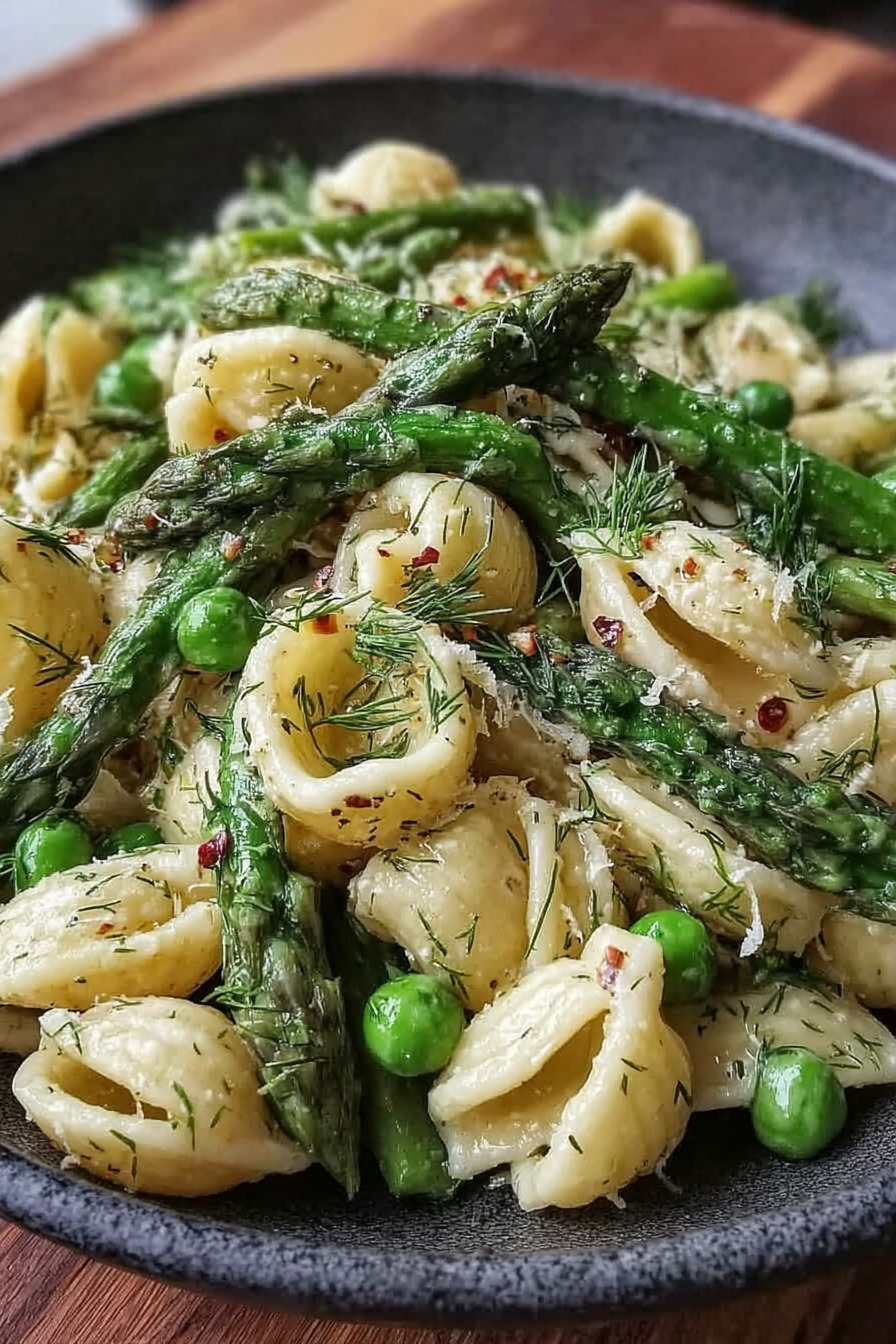
A well-made spring pasta salad should look glossy but not oily, bright but not wet, and colorful without any dull green asparagus. The pasta should hold its shape and feel al dente when you bite it. The asparagus should be tender-crisp, the peas should stay sweet, and the red onion should add a small crunch instead of a harsh bite.
The dressing should lightly coat the pasta without pooling at the bottom of the bowl. The aroma should be lemony, herbal, and fresh, with a gentle garlic note rather than a sharp raw-garlic smell. Failure signs include watery liquid in the bowl, mushy pasta, gray-green asparagus, separated oil, or a flat flavor that needs more salt and lemon.
11) Professional Secrets Behind Better Fresh Spring Pasta Salad
The first secret is treating pasta salad as a balance of moisture and seasoning, not just a bowl of cold pasta. Pasta continues to absorb flavor as it rests, so the vinaigrette needs enough acidity and salt to still taste bright after 10 minutes. The second secret is using the pasta water efficiently: blanching asparagus in the same pot saves time and gives the vegetable a clean, tender-crisp finish.
The third secret is emulsification. A vinaigrette that is whisked until slightly thickened clings better to pasta, especially when Dijon mustard is included. That one small step makes a fresh spring pasta salad taste intentional instead of like plain pasta with dressing poured over it.
12) Best Dishes or Pairings to Serve With Fresh Spring Pasta Salad
This easter brunch pasta salad works well beside roasted chicken, grilled salmon, baked ham, turkey sandwiches, vegetable quiche, or simple deviled eggs. For a lighter lunch, serve it with a green salad and fresh fruit. For a spring party table, pair it with lemon herb chicken, crusty bread, and a chilled cucumber salad so the meal stays fresh rather than heavy.
If you want to turn it into a fuller meal, add a protein on the side instead of overloading the pasta bowl. The salad’s best feature is its clean asparagus, dill, and lemon flavor, so keep pairings simple enough to let that brightness stand out.
13) Making Fresh Spring Pasta Salad Ahead of Time
You can make this spring pasta salad a few hours ahead, but the best texture comes from protecting the dressing and herbs. Cook, rinse, and drain the pasta and asparagus very well, then toss with the peas and onion. Add most of the vinaigrette before chilling so the pasta can absorb flavor, but save a small amount to refresh the salad before serving.
Add the dill close to serving if you want the freshest herbal aroma. If the salad tastes muted after refrigeration, do not add more oil first; start with salt, pepper, and a squeeze of lemon. That brings back brightness without making the salad greasy.
14) Storing Leftover Fresh Spring Pasta Salad
Store leftover fresh spring pasta salad in an airtight container in the refrigerator for up to 3 days. The texture is best during the first 24 hours because the asparagus stays crisper and the dill tastes fresher. Stir before serving because the vinaigrette can settle as the pasta absorbs moisture.
Freezing is not recommended for this salad. Pasta softens after thawing, asparagus loses its snap, and the lemon vinaigrette can separate. For leftovers, serve it cold or let it stand at room temperature for a short time before eating so the olive oil loosens and the lemon flavor tastes brighter.
15) FAQ (Real Cooking Questions)
Can I make this spring pasta salad the night before? Yes, but for the freshest texture, save a little vinaigrette and some dill to add before serving. Pasta absorbs dressing overnight, so a quick refresh helps restore the bright lemon flavor.
Can I turn this into an asparagus feta pasta salad? Yes. Add crumbled feta as an optional variation just before serving. Feta adds saltiness and creaminess, but adding it too early can make the dressing look cloudy.
Should I rinse pasta for pasta salad? For this cold pasta salad, yes. Rinsing stops the cooking and cools the pasta quickly. The important part is draining very well afterward so the dressing does not become watery.
Can I use frozen peas? Yes. Thaw them first and drain well. Frozen peas are already tender, so they do not need to boil with the pasta.
How do I keep the lemon dill vinaigrette from separating? Whisk the Dijon mustard with the lemon juice, sweetener, garlic, salt, and pepper first, then whisk in the olive oil until the dressing looks slightly thickened.
16) Save This Fresh Spring Pasta Salad Recipe
If this fresh spring pasta salad helped you solve watery, bland pasta salad, save it for Easter brunch, spring lunches, or make-ahead party sides. The key reminder is: drain the cooled pasta well, keep the asparagus tender-crisp, and taste again after the salad rests.
17) Conclusion
A good spring pasta salad is not about adding more ingredients; it is about controlling texture, moisture, and seasoning. Once you understand why the pasta must stay al dente, why the asparagus needs only a brief blanch, and why the vinaigrette should be balanced before tossing, the whole recipe becomes more reliable. The result is a fresh, lemony, herb-forward side dish that tastes intentional instead of watery or flat.
18) Nutrition
Serving Size 1 portion Calories 265 Sugar 4 g Sodium 190 mg Fat 12 g Saturated Fat 2 g Carbohydrates 34 g Fiber 4 g Protein 7 g Cholesterol 0 mg

Leave a Comment